


Application of Biomechanics in Bionic Robot Design: Energy Data-Guided Efficiency Optimization
Release time:
2025-07-17 09:56
Source:
Introduction: The Integration of Robots and Nature
In recent years, bionic robots have gradually become a hot topic in the technology world. Drawing inspiration from nature to design smarter and more efficient robots is the dream of scientists. In this process, Energetics Data Guides Efficiency Optimization The concept undoubtedly plays an important role.
The Value of Biomechanics Data
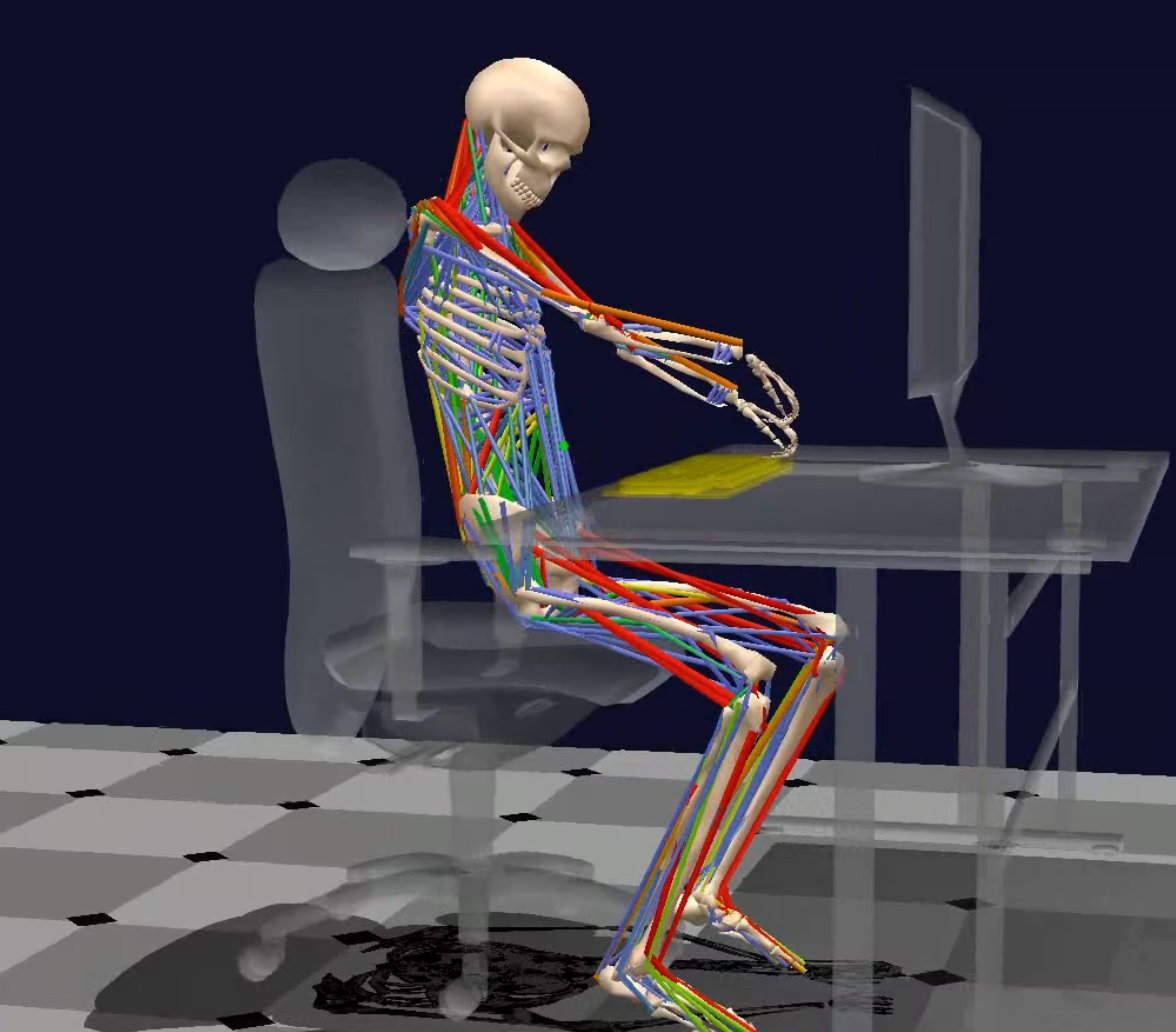
So, what is human motion biomechanics data? Simply put, it is data that studies the mechanical relationships between different parts of the body during human movement. This data helps us understand how humans run, jump, climb, and even perform fine hand movements.
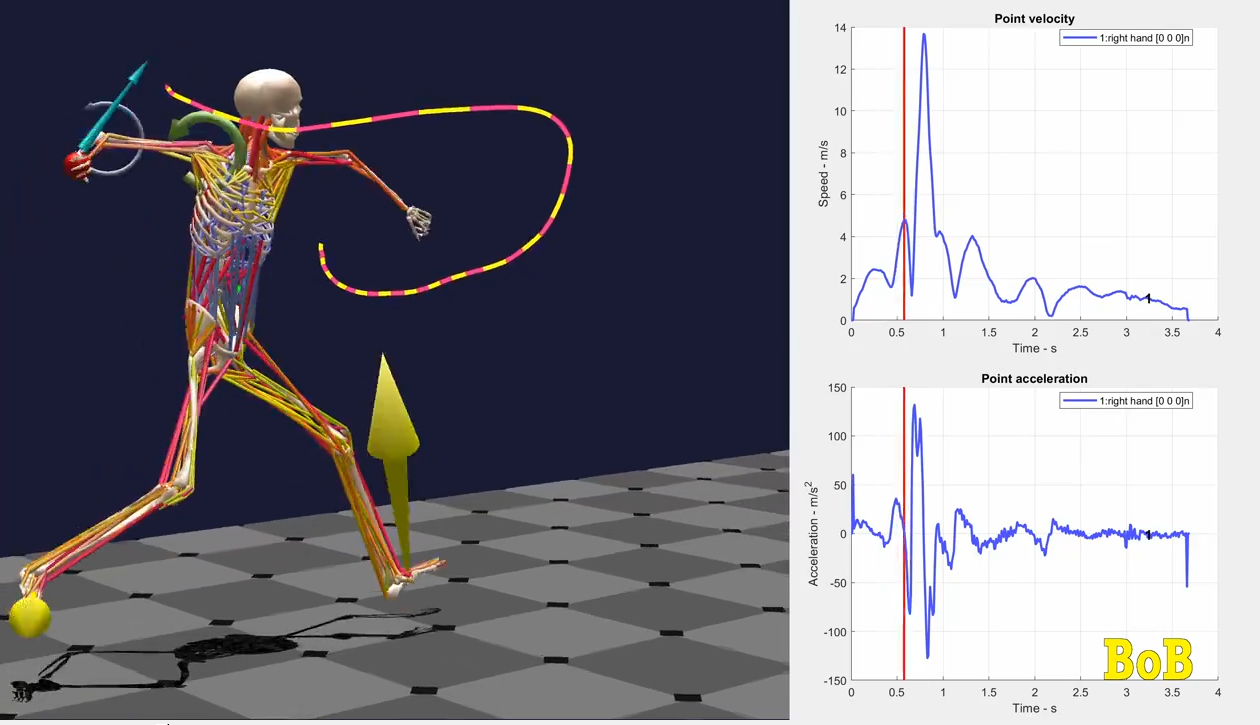
For example, suppose we want to design a bionic jumping robot. By analyzing the jumping data of athletes, we can learn the optimal takeoff angle, force distribution, and center of gravity transfer. This information will greatly enhance the robot's jumping performance. Using professional human motion biomechanics analysis tools (such as BOB 、 ANYBODY etc.), we can also obtain data on body energy and power, muscle force, muscle energy and power during movement, allowing researchers to better understand the energy consumption and efficiency of human motion.
The Guiding Role of Energetics Data
When designing bionic robots, Energetics Data Guides Efficiency Optimization it can help us better understand energy usage. Whether it is battery life or energy consumption during movement, energetics data can provide us with important references.
For example, by analyzing the energy consumption of running athletes, we can optimize the robot's movement patterns to consume less energy while completing the same tasks. This optimization not only improves the robot's efficiency but also extends its lifespan.
Examples of Bionic Design
Let's look at a practical example! Boston Dynamics' "Spot" robot extensively applies biomechanics data. Spot's design is inspired by the way dogs move. By analyzing the walking and running data of dogs, engineers successfully enabled Spot to move freely over complex terrain.
Among them, Spot's gait control system utilizes Energetics Data Guides Efficiency Optimization the concept to ensure flexible responses in different environments, thereby enhancing the robot's overall performance.
Future Outlook: Collaboration with Biology
In the future, with continuous technological advancement, bionic robots will increasingly integrate into our daily lives. We can look forward not only to smarter robots but also to breakthroughs in their energy usage. Energetics Data Guides Efficiency Optimization will become the core of design, helping us create more efficient and environmentally friendly robots.
Of course, besides technological progress, ethical issues cannot be ignored. While pursuing efficiency and performance, we must also consider the safety of robots and their impact on the environment.
Conclusion: Harmonious Coexistence of Technology and Nature
In summary, the application of human motion biomechanics data has opened new horizons for bionic robot design, and Energetics Data Guides Efficiency Optimization is the key to achieving this goal. Future robots will find the perfect balance between biological wisdom and technological power. Let us look forward to the arrival of that day together!
Energy data guides efficiency optimization,Human Biomechanics Analysis Software,Human skeletal muscle simulation modeling