


Develop efficient industrial noise control plans to improve the quality of the working environment
Release time:
2025-06-26 11:05
Source:
Introduction
In modern industrial production, noise issues are often overlooked, but they have profound effects on employee health and production efficiency. To effectively address this problem, a reasonable industrial noise control plan is particularly important. This article will explore how to develop a practical noise detection and control plan.
Sources and Impacts of Noise
Industrial noise mainly originates from machinery, production processes, and transportation systems. Long-term exposure to high noise environments may lead to hearing loss, increased psychological stress, and even affect work efficiency. Therefore, understanding the sources and impacts of noise is the first step in formulating a control plan.
Noise Detection: Basics and Importance
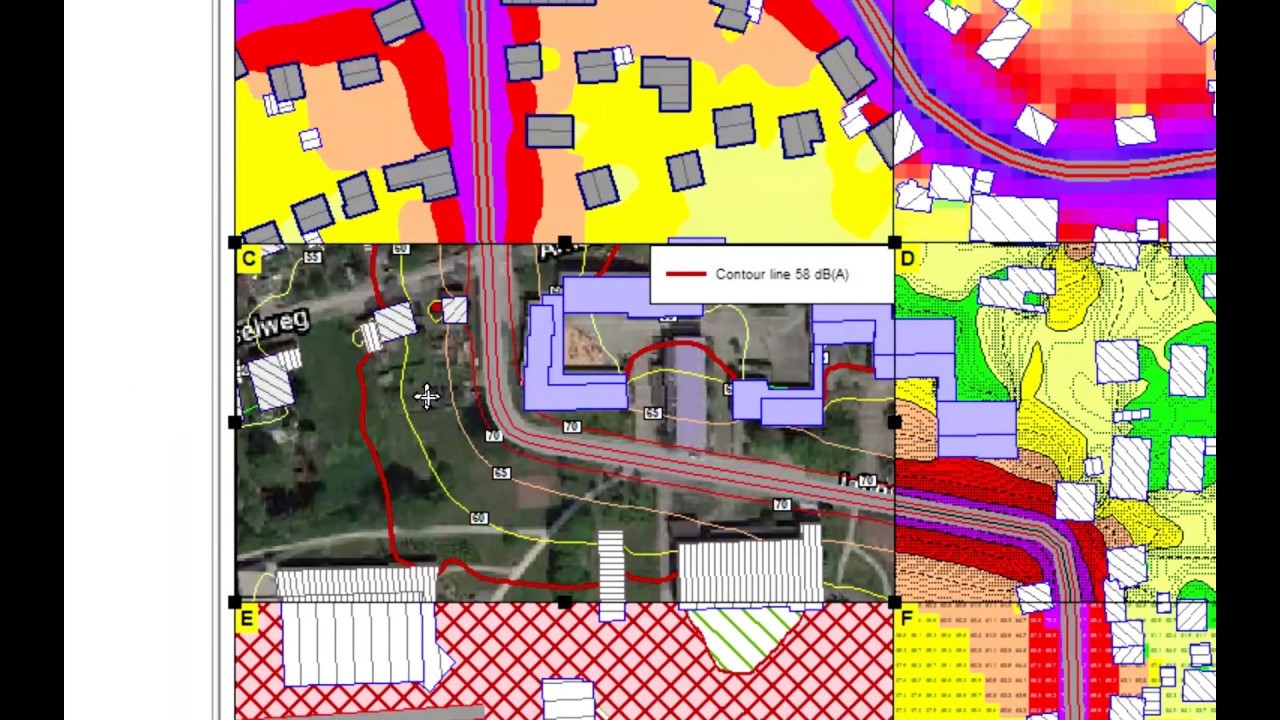
Noise detection is the cornerstone of industrial noise control plans. Through professional noise detection equipment, enterprises can accurately measure noise decibel levels and frequencies, identifying areas that need improvement the most. Regular detection not only helps enterprises understand noise trends but also provides data support for subsequent control measures.
Choosing Appropriate Detection Equipment
Selecting high-quality noise detection instruments is crucial. There are various types of noise meters on the market, such as sound level meters and spectrum analyzers. Choosing the right equipment based on the specific needs of the enterprise ensures the accuracy of detection results.
Steps to Formulate a Control Plan
With detection data in hand, the next step is to formulate an industrial noise control plan. The following are some key steps:
- Assess current noise levels: Analyze detection data to identify areas where noise exceeds standards.
- Set control objectives: Establish specific noise reduction targets and ensure their feasibility.
- Select control measures: Choose measures such as sound absorption, sound insulation, or vibration reduction based on actual conditions.
- Implementation and monitoring: Regularly check the effectiveness of control measures to ensure their efficacy.
Common Noise Control Measures
When formulating industrial noise control plans, commonly used measures include:
- Sound insulation materials: Use materials such as soundproof panels and sound-absorbing cotton to reduce noise transmission.
- Equipment maintenance: Regularly maintain and service machinery to ensure smooth operation.
- Optimization of work processes: Arrange production processes reasonably to reduce the overlap of high-noise operations.
Employee training and awareness enhancement
Noise control is not just a technical issue; employee participation is also crucial. Regular noise protection training helps employees understand the health impacts of noise and learn to use personal protective equipment, such as earplugs, effectively enhancing their safety awareness.
Conclusion
In summary, formulating a reasonable industrial noise control plan requires a thorough understanding of noise sources, obtaining data through professional detection, and selecting appropriate control measures based on actual conditions. Through scientific control plans, enterprises can not only improve the quality of the working environment but also safeguard the physical and mental health of employees.
Industrial Noise Control Plan,Noise Detection and Control