


Innovative Applications of Sports Biomechanics: Mechanical Interventions to Delay Cartilage Degeneration
Release time:
2025-06-11 11:11
Source:
Introduction
In the advancement of modern medicine, the application of sports biomechanics has gradually attracted attention. Especially when we talk about Mechanical intervention to delay cartilage degeneration this field not only brings new perspectives to rehabilitation medicine but also provides rich inspiration for assistive device design.
Basic concepts of sports biomechanics
Sports biomechanics, as the name suggests, studies the mechanical phenomena generated by the human body during movement. This discipline helps us better understand the body's operating mechanisms by analyzing the movement trajectories and force distribution of various body parts. In short, it provides us with a "manual for movement."
The impact of mechanical intervention on cartilage
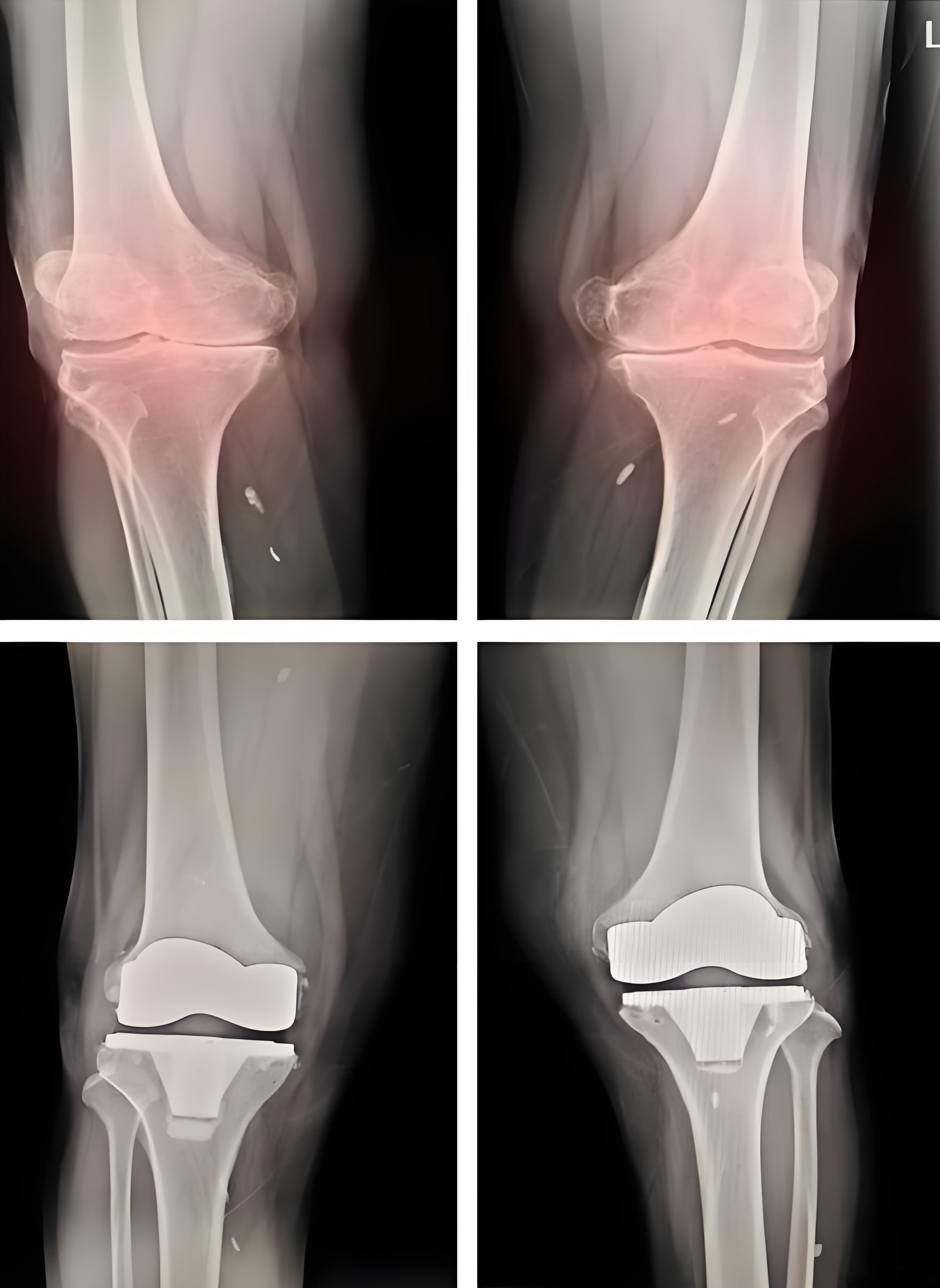
Cartilage is the "buffer" of joints, and its health directly affects our ability to move. However, with aging or improper exercise methods, cartilage may degenerate. At this time, Mechanical intervention to delay cartilage degeneration the concept arises.
Through precise mechanical analysis, we can understand how different types of exercise affect cartilage. For example, some high-impact sports may accelerate cartilage wear, while low-impact exercises can effectively slow this process. Therefore, targeted exercise programs have become an important part of rehabilitation medicine.
Development of personalized exercise programs
Under the guidance of sports biomechanics, rehabilitation doctors can tailor personalized exercise programs for patients. These programs consider not only the patient's age and gender but also their exercise habits and medical history. Through this personalized strategy, the rehabilitation effect for patients is greatly improved.
Innovation in assistive device design
Besides exercise programs, mechanical intervention has also opened new horizons for assistive device design. Combining sports biomechanics research, designers can create more ergonomic assistive devices to improve patients' quality of life. For example, gait aids designed for the elderly can effectively reduce the impact on their joints during walking and slow down cartilage degeneration.

Integration of technology and humanities
In this era of rapid technological development, sports biomechanics is not just a cold science; it is a field that integrates humanistic care. Designers and doctors understand patients' needs and respect their feelings, injecting humanized design concepts into every product. This integration undoubtedly brings new vitality to rehabilitation medicine.
Future prospects
Looking ahead, research on mechanical intervention will become more in-depth. With the development of big data and artificial intelligence, we have reason to believe that sports biomechanics will bring benefits to more patients. By continuously optimizing exercise programs and assistive device designs, mechanical intervention will truly become the "guardian" delaying cartilage degeneration.
Conclusion
In summary, Mechanical intervention to delay cartilage degeneration it not only provides new research directions for rehabilitation medicine but also lays the foundation for a healthy life for each of us. Let us look forward to sports biomechanics helping more patients on the path to recovery in the future!
Mechanical intervention delays cartilage degeneration