


Rehabilitation Medicine and Assistive Device Design from the Perspective of Gait Analysis
Release time:
2025-06-10 09:48
Source:
The Charm of Gait Analysis
In the field of modern medicine, Clinical Gait Experiments and Analysis has become an indispensable research method. By observing and analyzing human movement patterns, doctors and researchers can better understand patients' functional impairments and develop personalized rehabilitation plans.
Basic Concepts of Sports Biomechanics
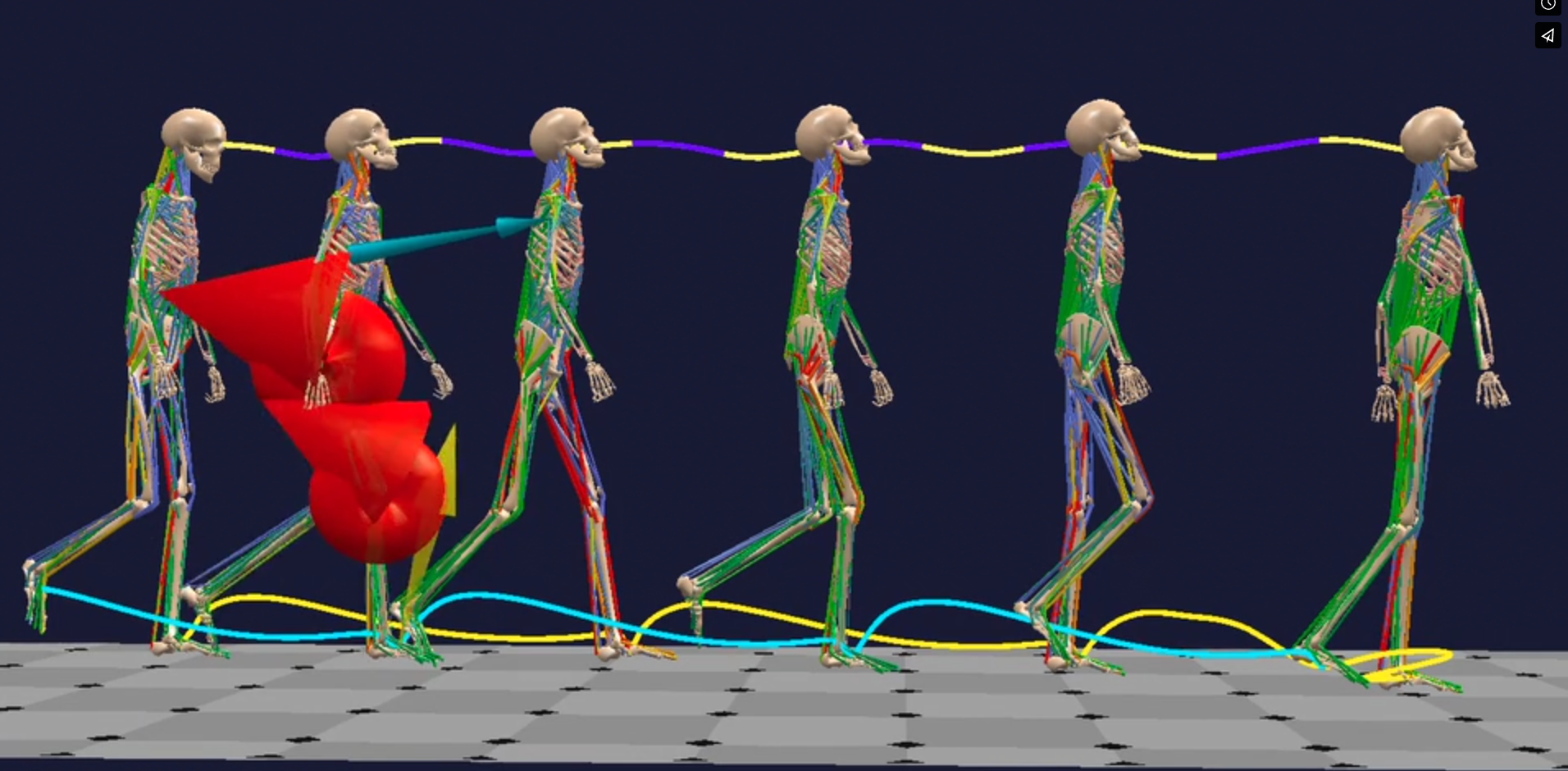
Sports biomechanics, simply put, is the study of forces and movement patterns generated by the human body during motion. Using this method, we can explore various details of gait, such as stride length, cadence, and center of gravity transfer. These factors not only affect our walking efficiency but also directly relate to rehabilitation outcomes!
The Importance of Clinical Gait Experiments
So, Clinical Gait Experiments and Analysis how important is it? First, it helps us identify movement-related diseases, such as stroke and Parkinson's disease. Through detailed gait analysis, doctors can detect potential movement problems in patients and provide more precise treatments. Secondly, gait analysis also offers objective evaluation metrics for rehabilitation medicine, helping doctors track patients' recovery progress.
The Integration of Gait Analysis and Rehabilitation Medicine
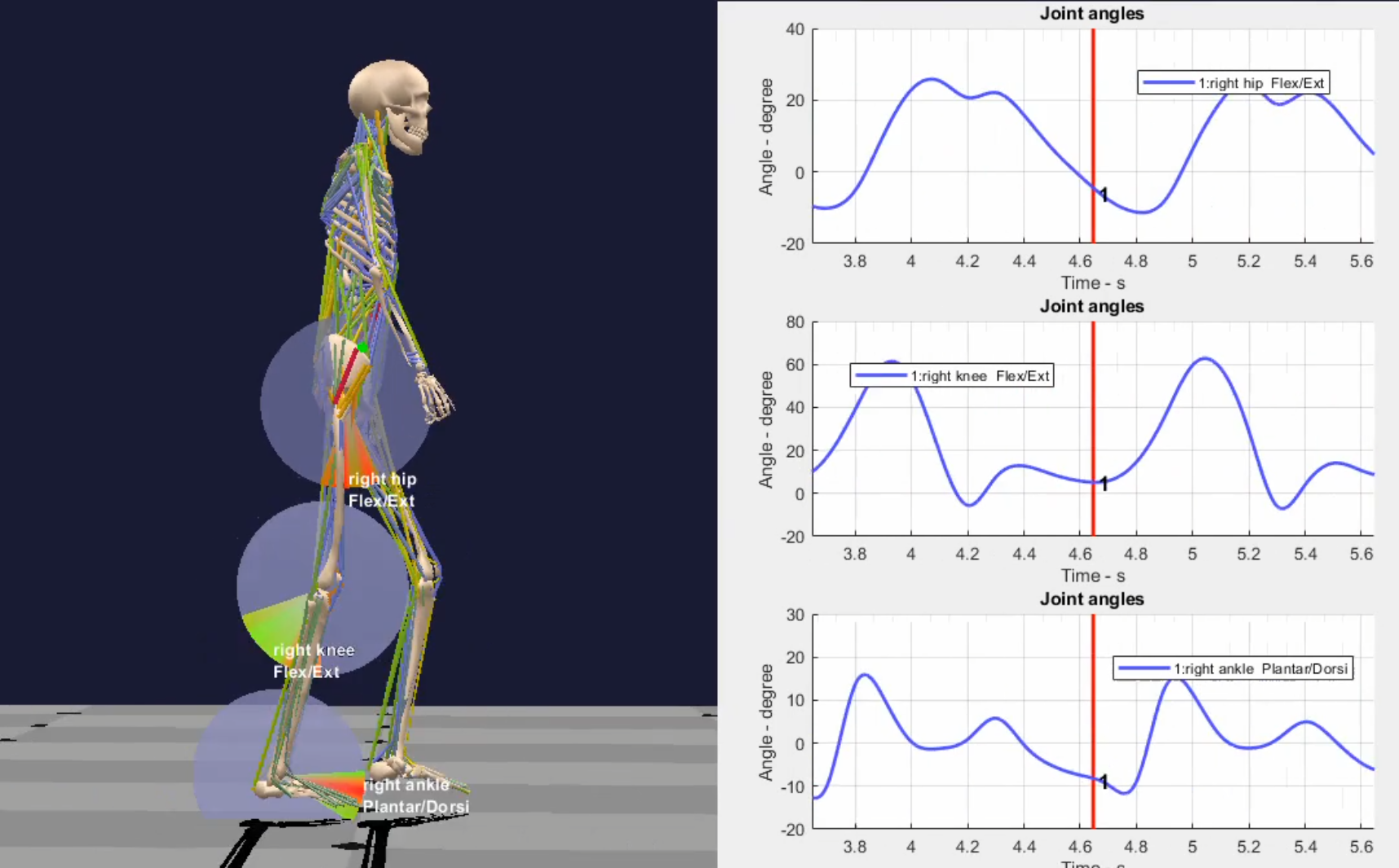
Why does gait analysis play such an important role in rehabilitation medicine? Because it is not just observation but uses precise data to tailor rehabilitation plans for patients. For example, for patients after knee replacement surgery, doctors can understand their recovery status through gait analysis and adjust rehabilitation strategies in real time.
New Ideas in Assistive Device Design
Speaking of assistive device design, Clinical Gait Experiments and Analysis it also plays a huge driving role. Traditional assistive devices are often "one-size-fits-all" designs that cannot meet everyone's needs. However, through in-depth gait research, designers can better understand users' needs and create more personalized assistive devices. For example, for elderly people with unstable gait, designers can design more stable walkers based on gait analysis results.
Looking to the Future
In the future, with continuous technological advancement, Clinical Gait Experiments and Analysis it will become more precise and intelligent. For example, using virtual reality (VR) technology, doctors can simulate patients' gait and make real-time adjustments. This not only improves rehabilitation outcomes but also allows patients to regain mobility in a relaxed and enjoyable environment.
Summary
In summary, Clinical Gait Experiments and Analysis it is an important tool driving progress in rehabilitation medicine and innovation in assistive device design. Through in-depth research on sports biomechanics, we can better understand the mysteries of human movement and provide patients with more efficient rehabilitation plans and more humane assistive device designs. The future of healthcare will be better because of gait analysis!
Clinical Gait Experiment and Analysis,Rehabilitation Medicine,Sports Biomechanics