


How to use multi-environment stress comprehensive testing methods and tool systems to improve product reliability?
Release time:
2025-08-26 16:17
Source:
Introduction: The Importance of Product Reliability Testing
In today's highly competitive market, product reliability has become one of the keys to business success. To ensure product performance under various environments, Methods and Tools for Multi-Environment Stress Comprehensive Testing this is especially important. This article will take you deep into this technical solution to help enterprises improve product quality.
Definition and Significance of Multi-Environment Stress Testing
Multi-environment stress testing refers to systematic testing of products under different environmental conditions (such as temperature, humidity, vibration, etc.) to evaluate their reliability in actual use. Simply put, it simulates various possible usage scenarios to test the product's durability and stability.
Why Conduct Multi-Environment Stress Testing?
Hey, think about it! What kind of trouble would users face if your product fails under extreme conditions? It not only affects user experience but may also damage brand image. Therefore, conducting multi-environment stress testing can effectively identify potential problems and reduce risks during actual product use.
Methods of Multi-Environment Stress Comprehensive Testing
To achieve effective multi-environment stress testing, companies usually adopt the following methods:
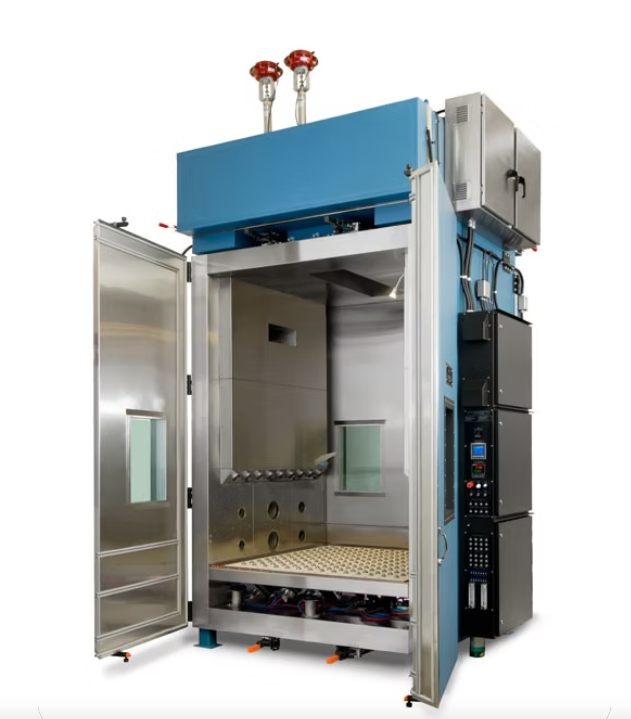
- Environmental Test Chambers: This is one of the most commonly used devices, simulating different working conditions by controlling environmental factors such as temperature and humidity. For example, HANSE This HALT test chamber integrates temperature, vibration, environmental stress, and shock to accelerate product reliability testing. For life durability tests, ordinary environmental test chambers are usually chosen.
- Vibration Test Bench: Used to test potential damage to products caused by vibration during transportation or use.
- Salt Spray Test: Especially suitable for metal products to test their corrosion resistance.
Choosing the Right Tools
Of course, selecting the right tools is also crucial. There are many brands and models of testing equipment on the market, and companies need to choose suitable tools based on their own needs. For example, some high-end equipment can perform multiple tests simultaneously, saving time and cost.
Steps to Implement Multi-Environment Stress Testing
Implementing these tests is not done by a single method but requires a systematic process. The basic steps are as follows:
- Define Testing Objectives: Clarify the purpose of testing, such as improving product durability or verifying new design solutions.
- Develop a Test Plan: Formulate a detailed test plan based on objectives, including test environment, sample quantity, and test duration.
- Execute Tests: Conduct tests according to the plan and record data at each stage.
- Analyze Results: Analyze test data to identify product weaknesses and propose improvement plans.
Continuous Improvement and Feedback
Testing is not a one-time process. Companies need to continuously optimize testing methods and tools based on market feedback and technological development to maintain product competitiveness.
Summary: Towards the Future of Product Reliability
In summary, Methods and Tools for Multi-Environment Stress Comprehensive Testing it provides companies with an effective solution to stand out in fierce market competition. Through continuous testing and optimization, companies can not only improve product reliability but also gain users' trust and support. As the old saying goes, "A journey of a thousand miles begins with a single step," every step on the road to product reliability testing is crucial!
Methods and Tools for Multi-Environment Stress Comprehensive Testing,Temperature Vibration Shock,Environmental Reliability Testing,Product Reliability Testing