


Challenges and Solutions in Applying DCI Strain Measurement Equipment in Civil Engineering Monitoring
Release time:
2025-07-24 14:49
Source:
Introduction
In today's field of civil engineering monitoring, DCI strain measurement equipment is becoming increasingly common. Whether it is bridges, tunnels, or large buildings, real-time monitoring of the structural health status is particularly important. However, engineers often encounter some problems when using these devices. This article will explore these issues in depth and provide some solutions.
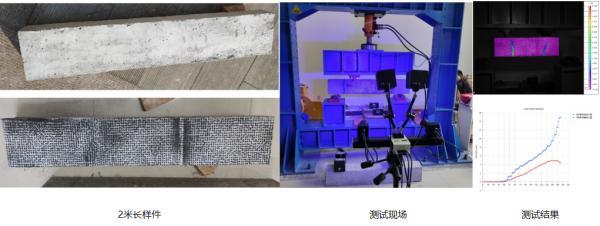
Common Issues
First, let's look at several common problems when using DCI strain measurement equipment the equipment:
- Inaccurate device calibration: If the device is not properly calibrated, the measurement results may be significantly biased, affecting the reliability of the data.
- Environmental interference: Environmental factors such as temperature changes, humidity, and vibration can all affect measurement results, especially under harsh weather conditions.
- Data transmission delay: In remote monitoring, real-time data transmission is crucial; any delay may lead to lagging decisions.
The importance of device calibration
Device calibration is a key step to ensure DCI strain measurement equipment accuracy. Engineers often perform calibration on-site, but this requires a lot of time and effort. To improve efficiency, it is recommended to regularly conduct standardized testing of the equipment, comparing it with known standards to ensure measurement precision.
Impact of environmental factors
It should not be overlooked that DCI strain measurement equipment performance is affected by environmental factors, especially under extreme weather conditions. For example, under high temperatures, the materials of the device may expand, causing measurement errors. Therefore, it is recommended to consider the environmental adaptability of the equipment when selecting it and to perform environmental compensation on the data during monitoring.
Efficiency of data transmission
In modern civil engineering, real-time data transmission is crucial. To this end, more advanced communication technologies, such as 5G networks, can be considered to improve the speed and stability of data transmission. At the same time, establishing an effective data backup system ensures that data can be promptly restored under any circumstances.
Solutions
Facing these challenges, we need to take proactive measures. Here are some suggestions:
- Regularly maintain and calibrate equipment to ensure the accuracy of measurement results.
- Use anti-interference materials and technologies to enhance the environmental adaptability of the equipment.
- Invest in high-bandwidth communication networks to ensure real-time data transmission.
Future prospects
With technological advancement, DCI strain measurement equipment applications will become even more widespread. Through continuous technological innovation and engineering practice, we can effectively overcome these problems and improve the efficiency and safety of civil engineering monitoring.
Conclusion
In summary, in civil engineering monitoring, DCI strain measurement equipment although the application faces various challenges, these difficulties can be completely overcome through reasonable strategies and technological innovation, ensuring the safety and stability of projects. Let us look forward to future technologies bringing more possibilities to the field of civil engineering!
DCI Strain Measurement Equipment,Non-contact strain measurement,Full-field strain measurement,Civil Engineering Monitoring