


How to effectively apply DCI strain measurement equipment in extreme working conditions?
Release time:
2025-07-22 09:18
Source:
Introduction
In modern engineering and scientific research, DCI strain measurement equipment is increasingly applied, especially in extreme working conditions. However, the performance of such equipment often faces many challenges under complex conditions. This article will explore these challenges and corresponding solutions in depth, helping engineers better apply strain measurement technology in various environments.
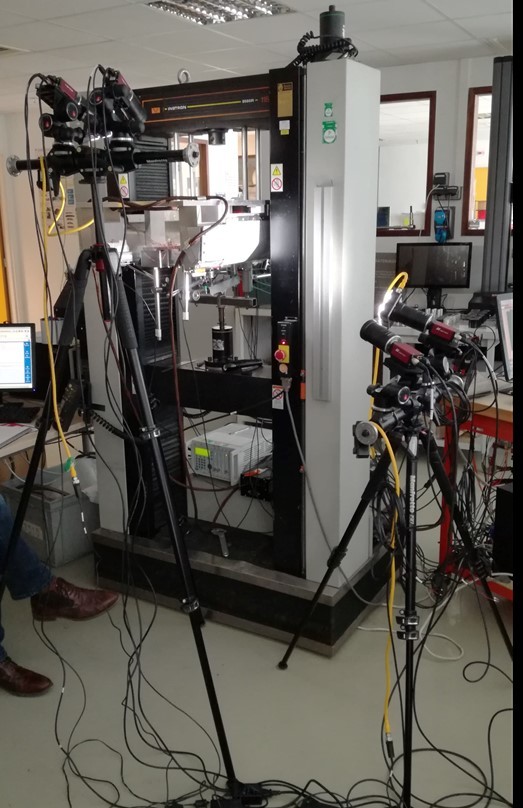
Definition of extreme working conditions
Extreme working conditions usually refer to situations where environmental factors are extremely harsh, such as high temperature, high pressure, strong vibration, etc. These conditions not only impose higher demands on materials and equipment but also threaten measurement accuracy and data reliability. Imagine, in such extreme environments, DCI strain measurement equipment how to maintain normal operation? This is truly a test!
Challenge One: High Temperature Environment
In high temperature environments, DCI strain measurement equipment sensors and electronic components may fail due to overheating. In this case, the application of temperature compensation technology is particularly important. Engineers need to ensure that the equipment can operate stably under high temperatures and may also need to use high-temperature resistant materials to protect the equipment.
Challenge Two: Strong Vibration Impact
When facing strong vibration environments, DCI strain measurement equipment the fixing methods and anti-vibration design must be carefully considered. Vibration may cause data drift or even damage the equipment. Therefore, using shock absorbers and solid installation techniques is crucial. Wow, it's like sailing in the ocean; the ship's stability must be ensured!
Challenge Three: Corrosive Environment
In many extreme working conditions, the presence of corrosive gases or liquids can cause serious damage to equipment. To address this challenge, using anti-corrosion materials and coatings is essential. Think about it, anti-corrosion is like putting a protective suit on the equipment to resist external attacks.
Challenge Four: Data Transmission Issues
In remote or extreme environments, the stability of data transmission is also a big problem. Wireless signals may be interfered with, causing data loss or transmission difficulties. Solutions include using more powerful signal processing technologies and backup data storage schemes. Hey, backups are like insurance; you can never have too much!
Response Strategies
Facing the above challenges, engineers can adopt various strategies to improve DCI strain measurement equipment reliability. First, choosing appropriate materials and designs is fundamental; second, regularly maintaining and calibrating equipment to ensure stable performance; finally, utilizing advanced technologies such as artificial intelligence and big data analysis to enhance data processing capabilities. These measures will greatly improve the adaptability of equipment in extreme environments.
Conclusion
In summary, although applying DCI strain measurement equipment in extreme working conditions faces many challenges, through reasonable design and effective response strategies, engineers can completely overcome these difficulties. In the future, with continuous technological progress, we believe these devices will play an important role in a wider range of fields. Let us look forward to more possibilities brought by technology together!
DCI Strain Measurement Equipment,Extreme working conditions