


Virtual simulation DIC experimental environment setup greatly improves strain measurement experiment efficiency!
Release time:
2025-07-16 11:42
Source:
In the early morning laboratory, graduate student Li Ming carefully fixed a valuable aerospace alloy specimen on the tensile testing machine and meticulously sprayed a perfect speckle pattern—this is a necessary preparation for digital image correlation (DIC) strain measurement. However, even a slight vibration or change in lighting could ruin hours of preparation, with precious experimental time quietly slipping away amid repeated calibrations and retries. This was once the norm in many materials mechanics laboratories.
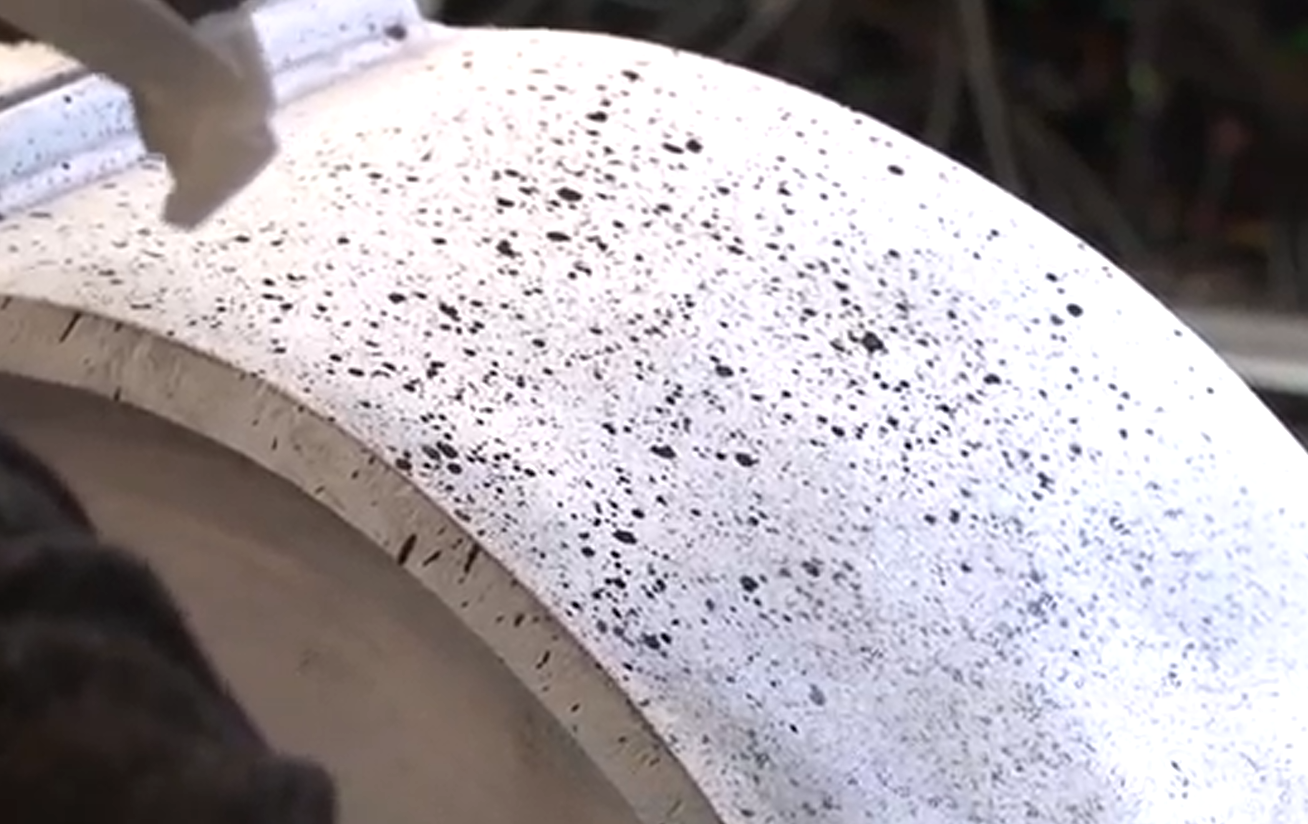
Today, virtual simulation technology is overturning this traditional model. Relying on precise physical engines and realistic 3D rendering, the new generation of virtual simulation DIC experimental platforms creates a "zero-loss" strain measurement training ground for teachers and students. Here, speckle pattern spraying no longer depends on real consumables; simply clicking preset templates or adjusting algorithm parameters in the software interface instantly generates ideal virtual speckle patterns that meet the surface characteristics of different materials. The flexible configuration of virtual high-precision industrial cameras and multi-angle controllable light sources simplifies the cumbersome optical debugging work in traditional experiments into intuitive drag-and-drop operations. Data from the teaching laboratory of the School of Materials Science and Engineering at Harbin Institute of Technology shows that after introducing the virtual simulation environment, the average time for students to complete the initial setup of DIC experiments has been reduced from 3 days to only 30 minutes , significantly lowering the entry barrier for beginners and the cost of experimental trial and error [1].
The efficiency revolution brought by virtual simulation goes far beyond teaching scenarios. At the forefront of scientific research, optimizing DIC parameters for new materials used to be a long and costly trial-and-error process. In the virtual environment, researchers can efficiently build a "digital twin" of the material, repeatedly simulating deformation responses under different load conditions to quickly select the optimal experimental scheme. The latest research published in the authoritative journal of the International Society for Optics and Photonics (SPIE) points out that, using virtual simulation to pre-optimize DIC measurement parameters can reduce the debugging cycle of subsequent physical experiments by up to 70%, greatly accelerating the research process [2].
The magic of virtual simulation DIC also extends to the industrial field. Especially in product safety testing, the virtual platform can conduct preliminary simulations of destructive tests, accurately predicting crack initiation locations and propagation paths, guiding the optimal placement of high-value strain gauges and sensors in physical tests. Practice at the Aerospace Structure Laboratory of Northwestern Polytechnical University shows that, guiding DIC measurements at critical points through virtual rehearsals not only improves the success rate of capturing key structural failure data but also significantly reduces the high sensor loss caused by blind placement, with an overall efficiency improvement of more than 40% [3].
According to a recent report by the U.S. National Science Foundation (NSF), the next-generation virtual simulation experimental platform integrated with artificial intelligence algorithms is expected to further shorten the overall design cycle of complex mechanics experiments by more than 50% within five years, becoming a core engine for innovation in engineering education [4]. Professor Wang, an aerospace structure expert at Northwestern Polytechnical University, deeply feels this: "It has completely reconstructed the experimental logic chain, freeing innovative thinking from the shackles of physical resources."
As the light of virtuality penetrates the barriers of traditional experiments, a profound transformation named "efficiency" has arrived. Virtual simulation DIC technology is redefining the boundaries of experimental teaching and scientific research. It is not only a multiplier of tool efficiency but also a key fulcrum for the leap in talent cultivation models and research paradigms. In this new era of integrated virtual and real experiments, every click and simulation accumulates unprecedented acceleration for engineering breakthroughs in the real world.
References:
[1] Internal teaching experimental data report of the School of Materials Science and Engineering, Harbin Institute of Technology (March 2024)
[2] SPIE Journal Optical Engineering , "Optimization of DIC Parameters in Virtual Environments for Accelerated Experimental Mechanics," Vol. 62(3), 2023.
[3] Summary report of the cooperative research project of the Aerospace Structure Strength Analysis and Testing Center, Northwestern Polytechnical University (2024)
[4] U.S. National Science Foundation (NSF) Report "Future of Engineering Experimentation: Cyber-Physical Convergence," Chapter 4, 2025.
Virtual DIC Experimental Environment Setup,DIC Experiment,Virtual DIC