


Exploring the Charm of Synchronous Analysis of Multi-Objective Sports Biomechanical Parameters
Release time:
2025-06-26 11:00
Source:
Introduction
In modern sports science, Synchronous analysis of multi-target sports biomechanics parameters has gradually become a popular research field. An athlete's performance depends not only on individual skills and physical fitness but also on coordination and cooperation within the team. Today, let's talk about the latest developments and applications in this field.
The concept of multi-target sports
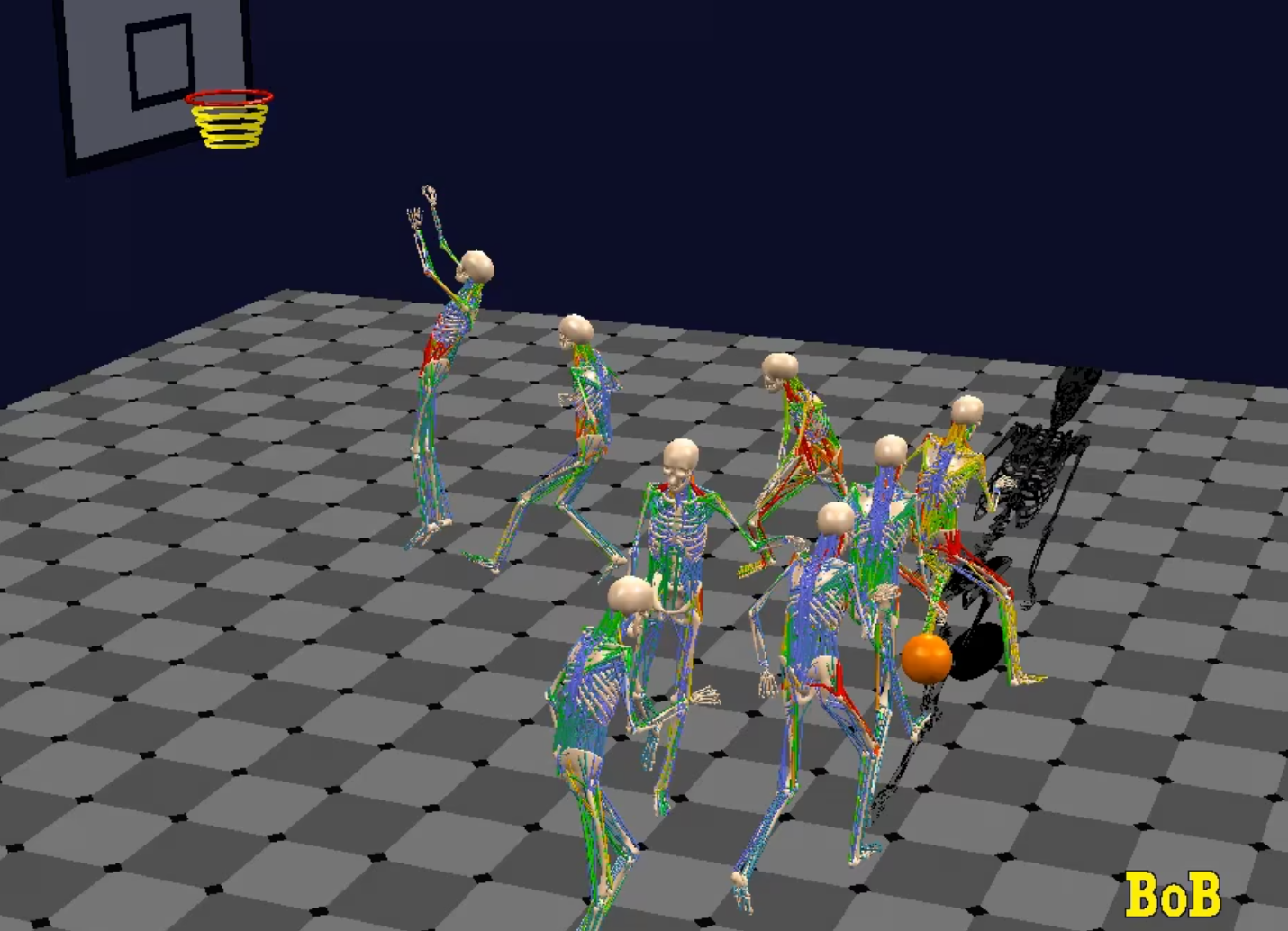
Multi-target sports, as the name suggests, refers to multiple athletes or sports objects moving simultaneously, with their performances and results being interrelated. This mode of sport is especially evident in team sports such as basketball, soccer, and relay races. In these sports, athletes need to cooperate closely and support each other to achieve the best team performance.
The importance of biomechanical parameters
Biomechanical parameters are key factors in understanding athlete performance. These parameters include speed, force, angles of movement, etc., which directly affect the technical requirements and physical fitness of athletes. By analyzing these parameters, coaches and sports scientists can better formulate training plans and improve athletes' competitive levels.
Advantages of synchronous analysis
The greatest advantage of conducting Synchronous analysis of multi-target sports biomechanics parameters is that it can simultaneously capture performance data from multiple athletes. This method not only saves time but also provides a more comprehensive analytical perspective, helping coaches and athletes identify problems and potentials in team cooperation. For example, in soccer matches, analyzing the movement trajectories of forwards and defenders can reveal the team's coordination effects during offense and defense.
Advances in technology
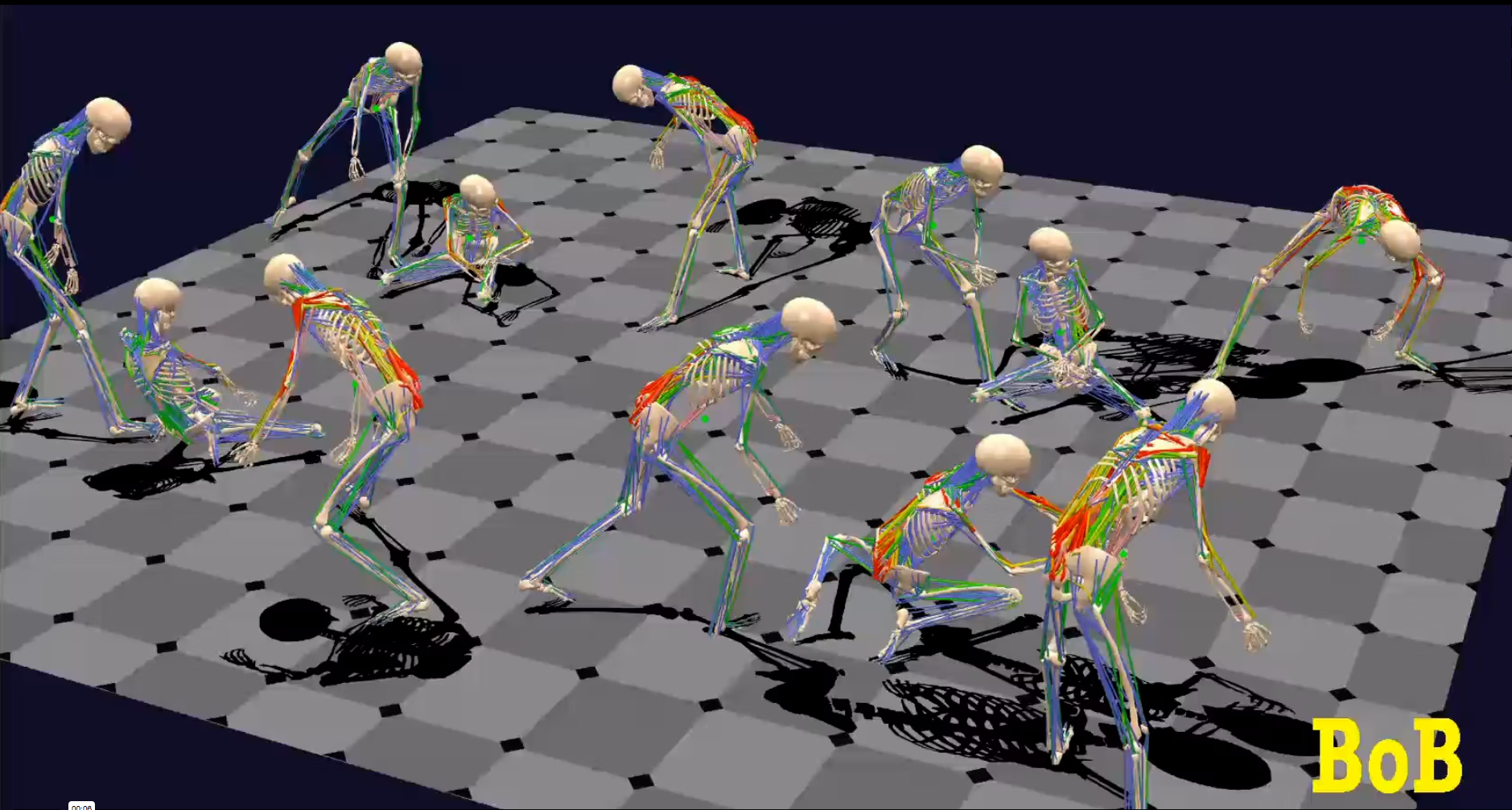
With continuous technological development, tools for analyzing sports biomechanics have become increasingly rich. From early video analysis to today's high-tech sensors and motion capture systems, every subtle movement of athletes can be precisely recorded. These data are analyzed through software to generate detailed sports reports, helping athletes and coaches optimize training.
Case sharing
For example, a well-known soccer team adopted Synchronous analysis of multi-target sports biomechanics parameters during the season, embedding sensors into athletes' training equipment to record various biomechanical data during matches. After analysis, the coach found coordination issues between the forward's speed in offense and the defender's defensive angles. By adjusting tactics and training plans, the team made significant progress in subsequent games.
Future prospects
Looking ahead, Synchronous analysis of multi-target sports biomechanics parameters will be applied more widely. With advances in artificial intelligence and machine learning technologies, the analysis process will become more efficient and accurate. Imagine that future athletes can receive real-time feedback during training and even conduct simulated training through virtual reality, which will greatly enhance training effectiveness and competition performance.
Conclusion
Overall, Synchronous analysis of multi-target sports biomechanics parameters is not only a research hotspot but also an important tool for improving sports performance. Through detailed analysis and team collaboration, athletes will demonstrate even better performances on future fields. Let's look forward to how this technology will continue to drive the development of sports science!
Synchronous Analysis of Multi-Target Sports Biomechanical Parameters