


Breaking the Boundaries of Sports Biomechanics Analysis: A New Perspective on Synchronous Biomechanical Analysis of Multiple Target Subjects
Release time:
2025-06-25 11:14
Source:
Introduction: The Science and Art of Sports
In recent years, research in the field of sports science has flourished like mushrooms after rain, especially in the area of sports biomechanics analysis. With technological advancements, group biomechanics analysis has gradually become an emerging research method, helping us better understand athletes' performance in team sports. Today, let's talk about how to conduct sports biomechanics analysis for multiple targets within a group simultaneously.
What is Group Biomechanics Analysis?
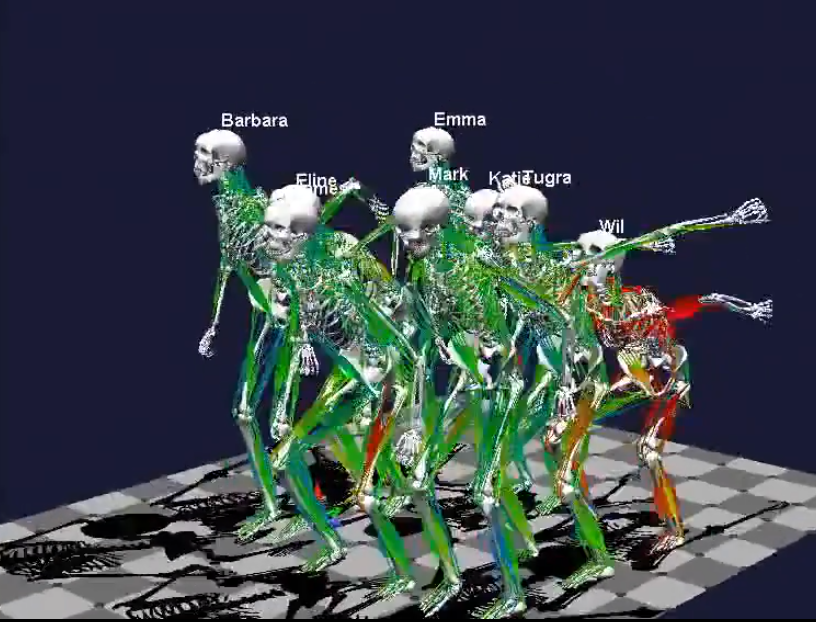
Simply put, group biomechanics analysis is the scientific study of the movement performance of multiple athletes at the same time. It not only focuses on the biomechanical characteristics of individuals but also takes into account the interactions between athletes. This analysis method can provide valuable feedback to coaches and athletes, helping them optimize training and competition strategies.
Why Choose Multi-Target Analysis?
In team sports, an individual's performance is often influenced by teammates and opponents. For example, in basketball, a player's shooting accuracy is not only related to their own skills but also closely linked to coordination with other players and the opponent's defensive strategies. Through group biomechanics analysis, we can more comprehensively evaluate athletes' performance in complex environments.
Technical Support: Sensors and Data Analysis
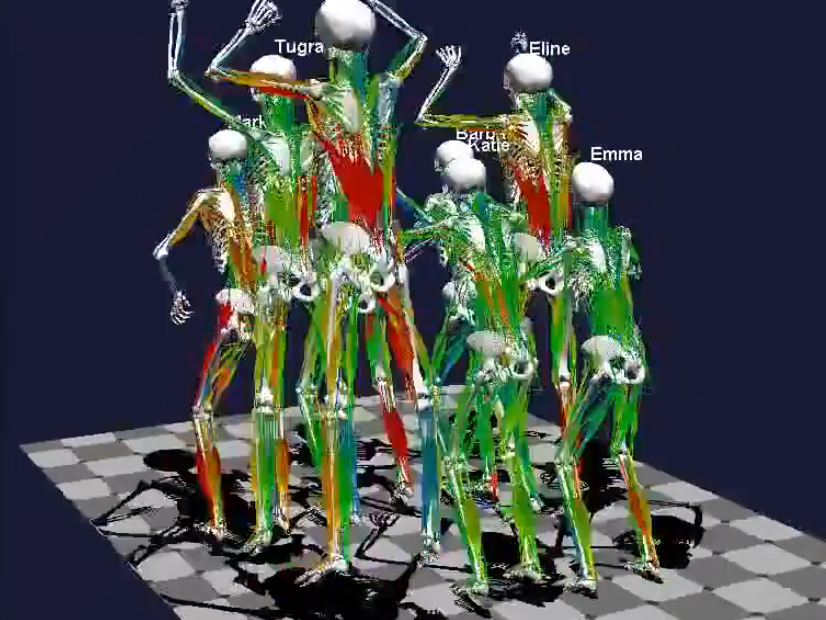
Today, advanced sensor technology allows us to monitor athletes' movement parameters in real time, such as speed, acceleration, and force. Through data analysis software, we can deeply explore the collected data to reveal athletes' performance characteristics within the group. For example, by analyzing players' gait, we can discover their quick reactions and decision-making abilities during matches.
Practical Case: Group Biomechanics Analysis in Football
In football matches, coaching teams usually use group biomechanics analysis to assess the overall tactical execution of the team. For instance, during a game, coaches can analyze players' movement trajectories during offense and defense to adjust the team's tactical arrangements. Such analysis not only helps the team better respond to opponents but also enhances cooperation among players.
Challenges and Future Prospects
Although group biomechanics analysis brings new perspectives to sports science, it still faces many challenges in practical application. Issues such as data accuracy, the establishment of analysis models, and how to effectively communicate analysis results to athletes and coaches require further research. However, with continuous technological progress and deeper research, this field is sure to embrace more possibilities in the future!
Conclusion: Towards Intelligent Sports
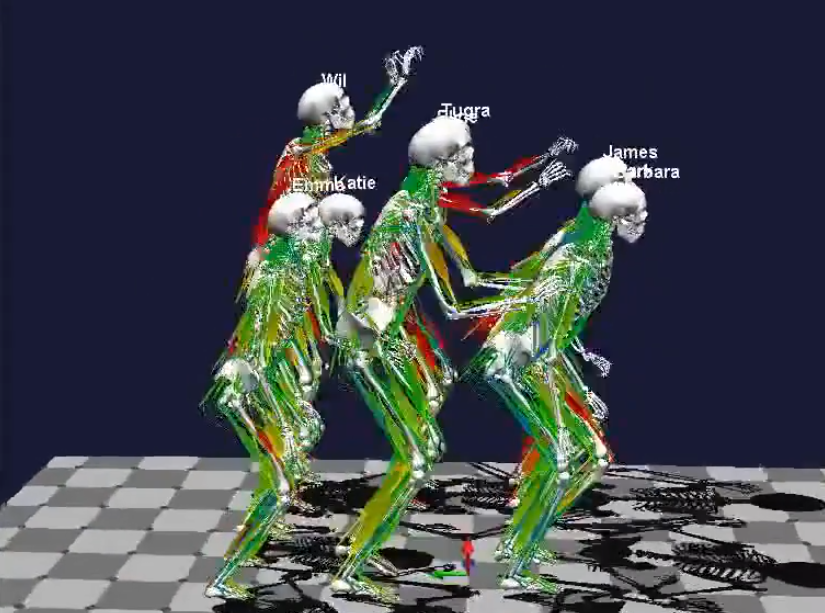
In summary, group biomechanics analysis provides us with a brand-new perspective to understand and improve sports performance. It not only helps athletes react faster during competitions but also effectively enhances the overall strength of the team during training. With ongoing technological development, we look forward to seeing more innovative applications based on group biomechanics analysis in the future, making sports science smarter.
Group Biomechanics Analysis