


DIC full-field strain measurement and CAE simulation complement each other: innovative breakthroughs in high-precision validation, multi-physics collaboration, and extreme environment optimization
Release time:
2025-05-14 13:25
Source:
Combination of DIC Experiments and CAE Simulation
In modern engineering design, computer-aided engineering (CAE) simulation technology has become an indispensable tool. However, the accuracy of simulation results is often affected by model assumptions and material properties. DIC (Digital Image Correlation) experiments based on mesh models, as an emerging measurement technology, are gradually becoming the secret weapon for optimizing CAE simulation results.
What is Mesh Model-Based DIC?
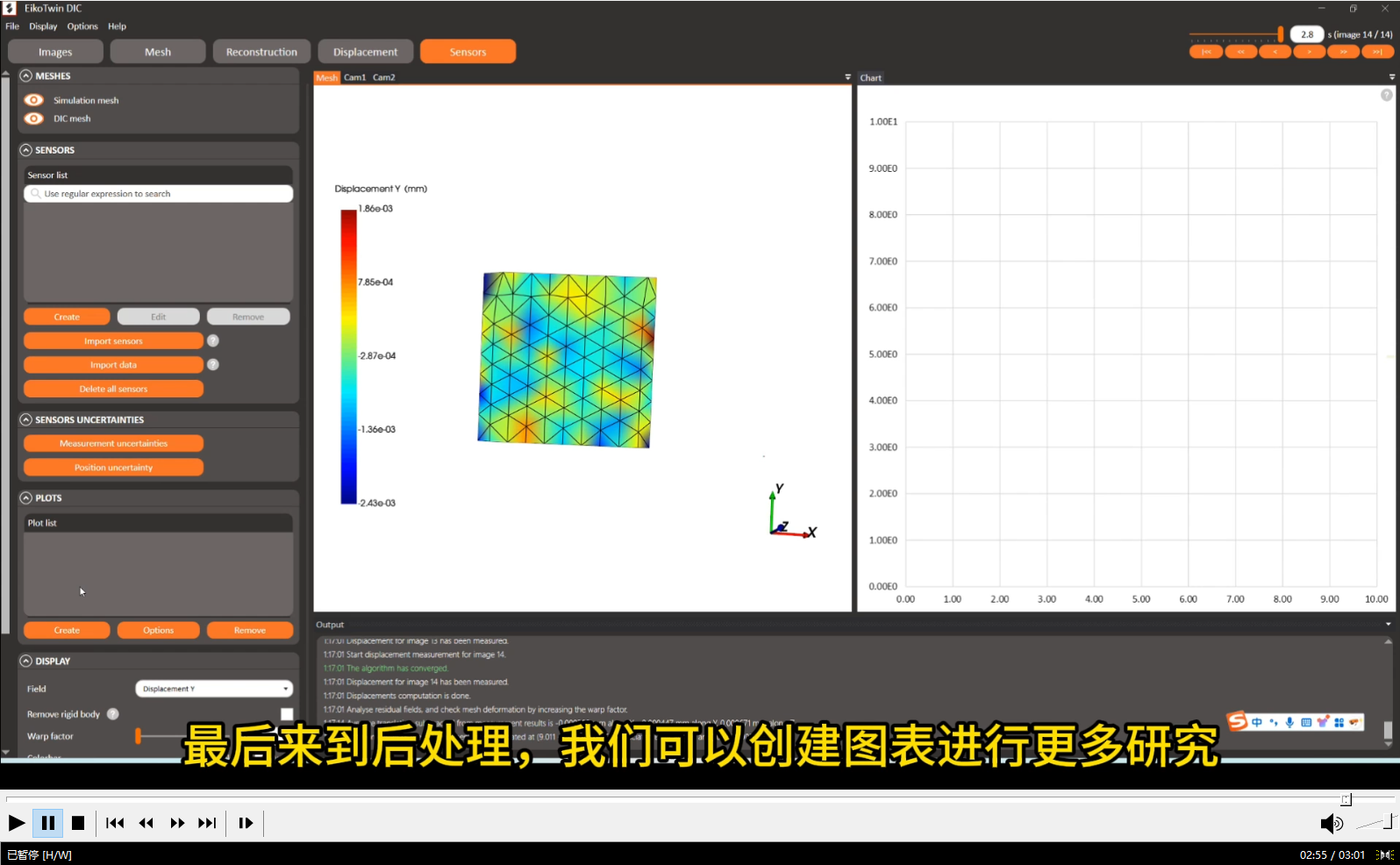
Simply put, mesh model-based DIC is a high-precision measurement technique that obtains surface deformation and displacement of objects by analyzing image sequences. In the market, EikoTwin DIC is a typical mesh model-based non-contact strain measurement device. It uses digital image processing algorithms to extract feature points from a set of images, then calculates the material deformation, and directly displays the strain data on the simulation model for direct comparison. This process is not only precise but also widely applied in many fields due to its non-contact measurement characteristics.
How Does DIC Experiment Assist CAE Simulation?
So, how exactly does the DIC experiment assist CAE simulation? Let me give a few examples to illustrate.
1. Providing Real Material Parameters
When performing CAE simulation, the mechanical performance parameters of materials are often a key factor. Through mesh model-based DIC experiments, we can obtain real strain and displacement data, thus more accurately reflecting the material's behavior in actual working conditions. This data can be used to calibrate the simulation model, making it closer to reality.
2. Verifying and Optimizing Simulation Models
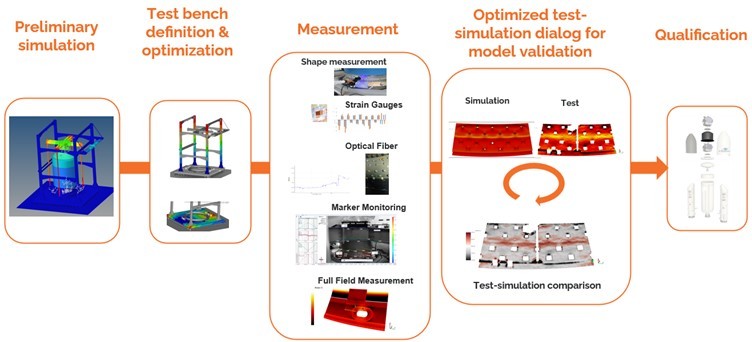
Besides providing material parameters, DIC experiments can also be used to verify the accuracy of simulation models. By comparing simulation results with DIC experimental results, engineers can identify deficiencies in the model and make corresponding adjustments. This process not only improves simulation accuracy but also saves a lot of time and resources.
3. Real-Time Monitoring and Data Feedback
In some dynamic tests, mesh model-based DIC technology can monitor material deformation in real time. This immediate feedback allows engineers to make adjustments faster, ensuring optimal product design. This real-time capability is especially important in fast-iterating engineering environments—after all, who wouldn't want to detect problems at the earliest moment?
Future Outlook: Deep Integration of DIC and CAE
With the rapid development of digital technology, the integration between mesh model-based DIC technology and CAE simulation will become increasingly close. In the future, more engineers will leverage this technology to achieve more efficient and precise design optimization. At the same time, this integration will also drive progress in the entire engineering industry, helping us face more complex challenges.
Conclusion
In summary, mesh model-based DIC experiments provide strong support for CAE simulation. By introducing real data, we can not only improve simulation accuracy but also achieve more efficient optimization in engineering design. Whether in material research or product development, mastering the application of DIC experiments will undoubtedly open a new door for engineers!
DIC Based on Grid Model