


EikoTwin DIC helps non-contact strain measurement technology reach a new level
Release time:
2025-04-29 00:54
Source:
Introduction: The Charm of Non-Contact Strain Measurement
In modern engineering, Non-contact strain measurement technology shines like a brilliant gem on the stage of various structural analyses. Especially the EikoTwin DIC (Digital Image Correlation) strain measurement system, with its unique measurement method, amazes many engineers and researchers. This article will explore how EikoTwin DIC accurately measures the strain of structural components, unveiling the mystery of this technology.
Basic Principles of Non-Contact Strain Measurement
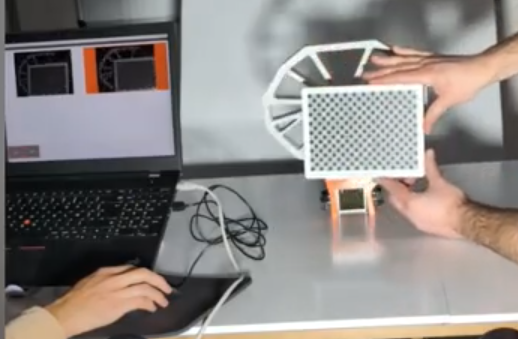
As the name suggests, non-contact strain measurement does not require direct contact with the object being measured. EikoTwin DIC uses high-resolution cameras to capture surface images of the target structure and analyzes the deformation of the material surface through image processing technology. This process is not complicated but involves extremely precise technology.
Advantages of EikoTwin DIC
When talking about the advantages of EikoTwin DIC, its high accuracy and efficiency must be mentioned first. Compared with traditional strain measurement methods, EikoTwin DIC can capture a large amount of data in a short time with minimal error. Additionally, due to its non-contact nature, it avoids causing any damage to the measured object, which is especially important in testing many high-value materials.
Intelligent Data Processing
During the measurement process, EikoTwin DIC is not just about taking photos; it is also equipped with powerful data processing algorithms. By comparing images at different time points, the system can accurately calculate the strain value of the object under stress and directly display the measurement results on the CAE simulation model, making the comparison between simulation and experimental results more intuitive. Wow, this intelligent processing method truly makes one marvel at technological progress!
Wide Range of Applications
The application fields of non-contact strain measurement technology are extremely broad, covering aerospace, civil engineering, automotive manufacturing, and materials research, among others. For example, in aerospace, EikoTwin DIC can be used to monitor the strain on aircraft wings during flight to ensure flight safety. In civil engineering, it can be used to detect the structural stability of bridges to ensure public safety.
Case Study: Success in Practical Applications
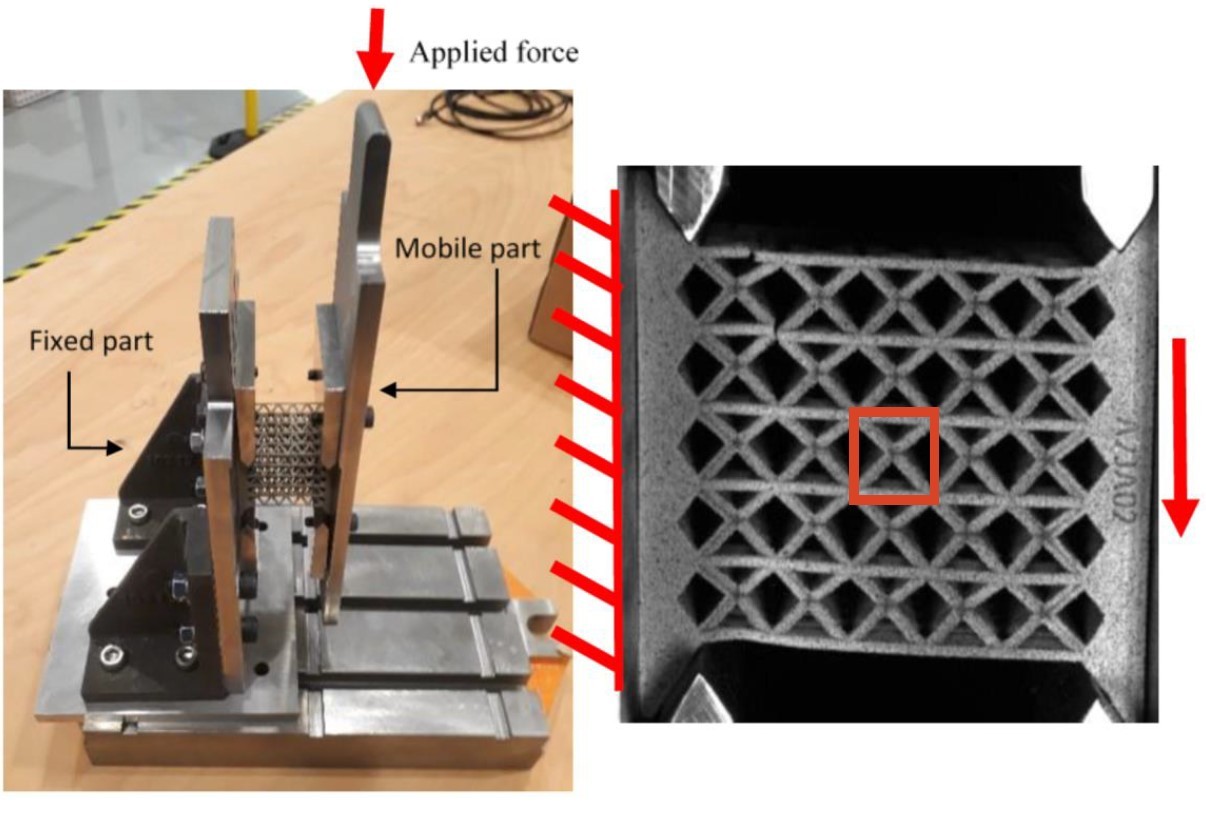
Taking a research project from a well-known university as an example, they used EikoTwin DIC to conduct strain tests on a new type of composite material. Through several experiments, they not only obtained precise data but also discovered unique behaviors of the material under extreme conditions. These findings provided valuable references for subsequent material improvements.
Summary: Future Prospects
With continuous technological advancement today, Non-contact strain measurement technology will surely see more applications and developments. As a leader in this field, EikoTwin DIC may expand its influence in more industries in the future. Imagine the transformation the entire engineering community will experience when we can acquire data faster and more accurately!
Conclusion: Embracing the Future of Technology
In summary, EikoTwin DIC, through its outstanding non-contact strain measurement technology, is driving progress across various industries. Let us look forward together to the near future when this technology will bring us more surprises and possibilities!
Non-contact strain measurement,Optical Strain Measurement,CAE Simulation Comparison and Verification,Full-field strain measurement