


MBD Models in Smart Manufacturing: The Importance of PMI Annotation Inspection
Release time:
2025-03-31 00:43
Source:
Introduction: A New Era of Intelligent Manufacturing
In recent years, intelligent manufacturing has become a buzzword in the industry. With the rapid development of technology, traditional manufacturing models are gradually being replaced by emerging intelligent manufacturing. In this process, the importance of Model-Based Definition (MBD) models has become increasingly significant, and PMI annotation inspection is a key step to ensure the quality of these models.
What exactly is an MBD model?
MBD, or Model-Based Definition, is a way to convey product design intent through three-dimensional digital models. Compared to traditional two-dimensional drawings, MBD models not only provide more intuitive visual effects but also integrate more information, such as materials, dimensions, and tolerances. Simply put, an MBD model is like a "panorama" that allows designers, engineers, and manufacturers to collaborate on the same platform.
The Importance of PMI Annotation Inspection
During the creation of MBD models, PMI annotation inspection is especially important. PMI (Product Manufacturing Information) refers to manufacturing and inspection information embedded within the 3D model. Through PMI annotation inspection, we can ensure the accuracy and completeness of this information, thereby avoiding errors in subsequent production processes.
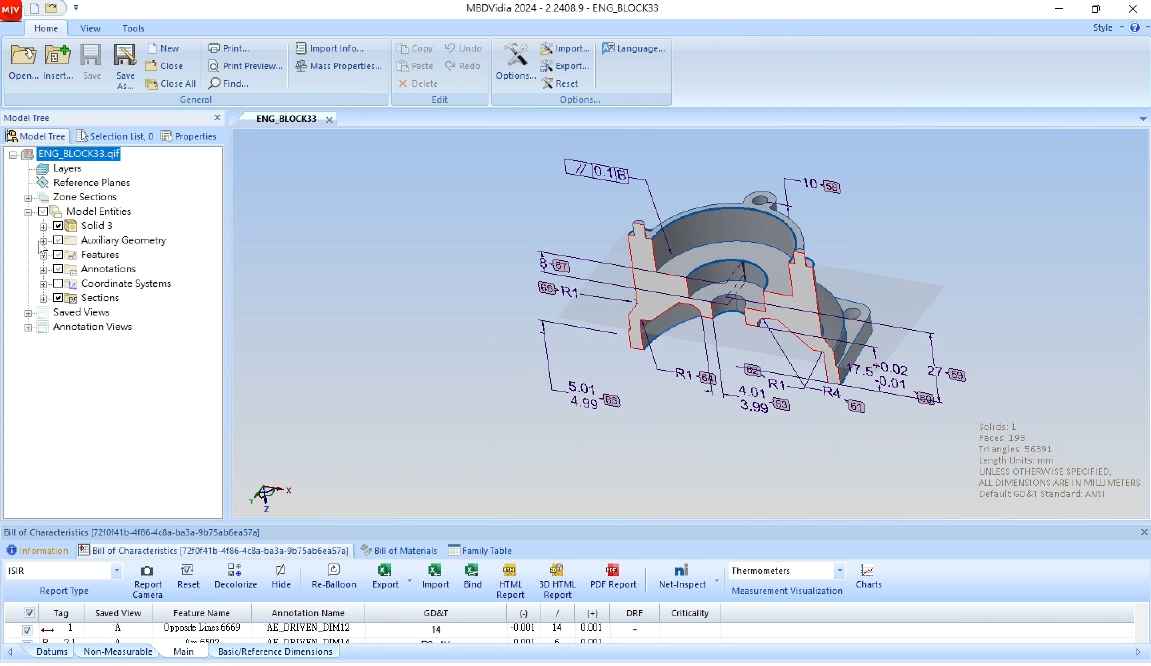
Improving Production Efficiency
Imagine if an MBD model without PMI annotation inspection is used; production personnel might misunderstand the design intent, leading to substandard product quality. Strict PMI annotation inspection can effectively reduce this risk, ensuring that every step follows the design requirements, thereby improving overall production efficiency.
Ensuring Product Quality
Moreover, PMI annotation inspection helps companies ensure high product quality. In an increasingly competitive market, quality is the lifeline. Through rigorous PMI inspection, companies can identify potential issues before shipment, make adjustments in advance, and ensure that the final delivered products meet customer expectations.
How to Implement PMI Annotation Inspection?
Implementing PMI annotation inspection is not achieved overnight; it requires systematic processes and standards. First, companies need to establish a complete set of standards that clarify the content and format of PMI annotations. Next, professional software tools can be used to automate the inspection process and improve efficiency. Finally, regular training for relevant personnel is an indispensable step to ensure every employee understands the importance of PMI annotation inspection.
Conclusion: The Future of Intelligent Manufacturing
In summary, in the wave of intelligent manufacturing, MBD models and PMI annotation inspection complement each other, jointly driving the transformation and upgrading of the manufacturing industry. With continuous technological advancement, we have every reason to believe that future manufacturing processes will be more intelligent, efficient, and precise. Let us look forward to this wonderful future together!
PMI Annotation Check