


Selection and Application of On-site Sound Absorption Measurement Equipment
Release time:
2025-03-20 01:14
Source:
Introduction
In a modern industrial environment, noise pollution has become an issue that cannot be ignored. To effectively address this challenge, On-site Noise Diagnosis and Analysis is particularly important. In this process, on-site sound absorption measurement is an indispensable part. So, what equipment is used for on-site sound absorption measurement? Let's find out!
What is On-site Sound Absorption Measurement?
On-site sound absorption measurement refers to the process of measuring and analyzing sounds in a specific environment using specialized equipment. This not only helps us understand the sources of noise but also provides a basis for subsequent noise control. Simply put, it is "listening to identify the location," helping us find the "source" of the noise.
Types of Equipment for On-site Sound Absorption Measurement
When conducting on-site sound absorption measurement, the following types of equipment are usually required:
1. Sound Level Meter
The sound level meter is the most basic and commonly used measuring device, capable of recording noise levels in the environment in real time. Depending on different needs, there are various types of sound level meters, such as A-weighting and C-weighting. Choosing the appropriate sound level meter is the first step in On-site Noise Diagnosis and Analysis .
2. Sound Intensity Meter
The sound intensity meter is used to measure the distribution of sound intensity at different locations within a sound field, helping us better understand the propagation characteristics of noise. With the sound intensity meter, we can clearly identify the "hotspot" areas of noise, facilitating subsequent control and management.
3. Sound Absorption Material Tester
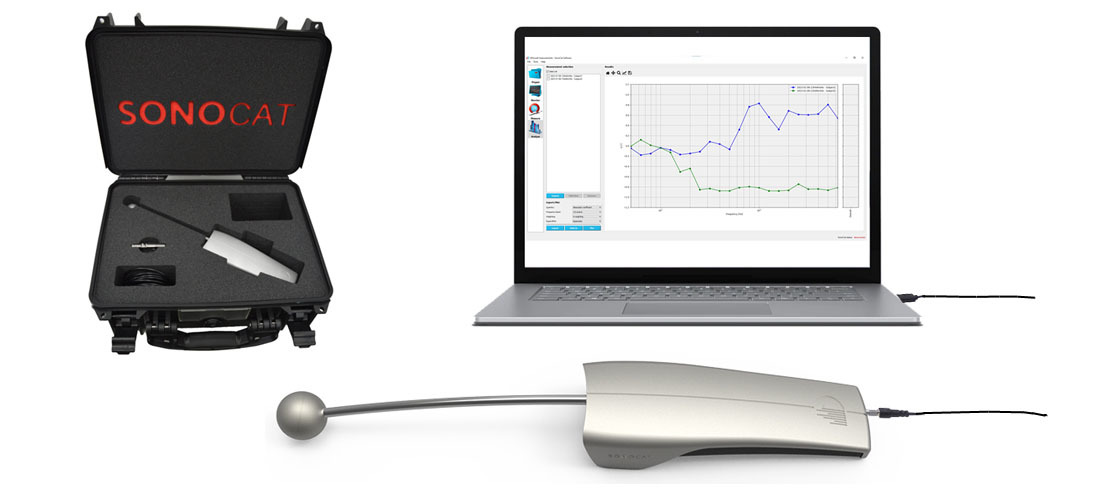
The sound absorption material tester is mainly used to evaluate the performance of sound-absorbing materials in the environment, such as SONOCAT multifunctional component sound absorption measurement system . By measuring the sound absorption coefficient of materials, we can assess their effectiveness in noise reduction and further optimize noise control plans.
Key Factors in Equipment Selection
When selecting on-site sound absorption measurement equipment, several key factors need to be considered:
- Measurement Accuracy: The accuracy of the equipment directly affects the reliability of the data.
- Portability: On-site measurements often need to be conducted at different locations, so portability is especially important.
- Data Processing Capability: Modern equipment is usually equipped with data processing software that can quickly generate reports and improve work efficiency.
Application Examples of On-site Sound Absorption Measurement
On-site sound absorption measurement has wide applications in many industries. For example, in the construction industry, it is necessary to ensure that noise control meets standards during new building design; in the machinery manufacturing industry, regular noise measurements help companies promptly detect potential equipment faults.
Conclusion
In summary, On-site Noise Diagnosis and Analysis is an indispensable part of modern industry, and the selection of equipment for on-site sound absorption measurement is a key link. Choosing the right equipment not only improves measurement accuracy but also provides effective data support for subsequent noise control. It is hoped that through this introduction, everyone can gain a deeper understanding of this field and become proficient in practice!
On-site Noise Diagnosis and Analysis