


Comprehensive Analysis: Tools and Methods for On-site Noise Diagnosis and Analysis
Release time:
2025-03-19 01:11
Source:
Introduction
In modern industry and urban life, noise is everywhere, and how to effectively conduct On-site Noise Diagnosis and Analysis has become an urgent issue to be solved in many fields. This article will take you deep into on-site acoustic measurement methods, helping you understand how to address noise problems and improve the quality of work and living environments.
Overview of On-site Acoustic Measurement Methods
On-site acoustic measurement mainly includes several commonly used methods, each with its unique features. For example, sound level meters, spectrum analyzers, and sound intensity meters. Each tool has different measurement principles and applicable scenarios, so choosing the appropriate measurement method is crucial!
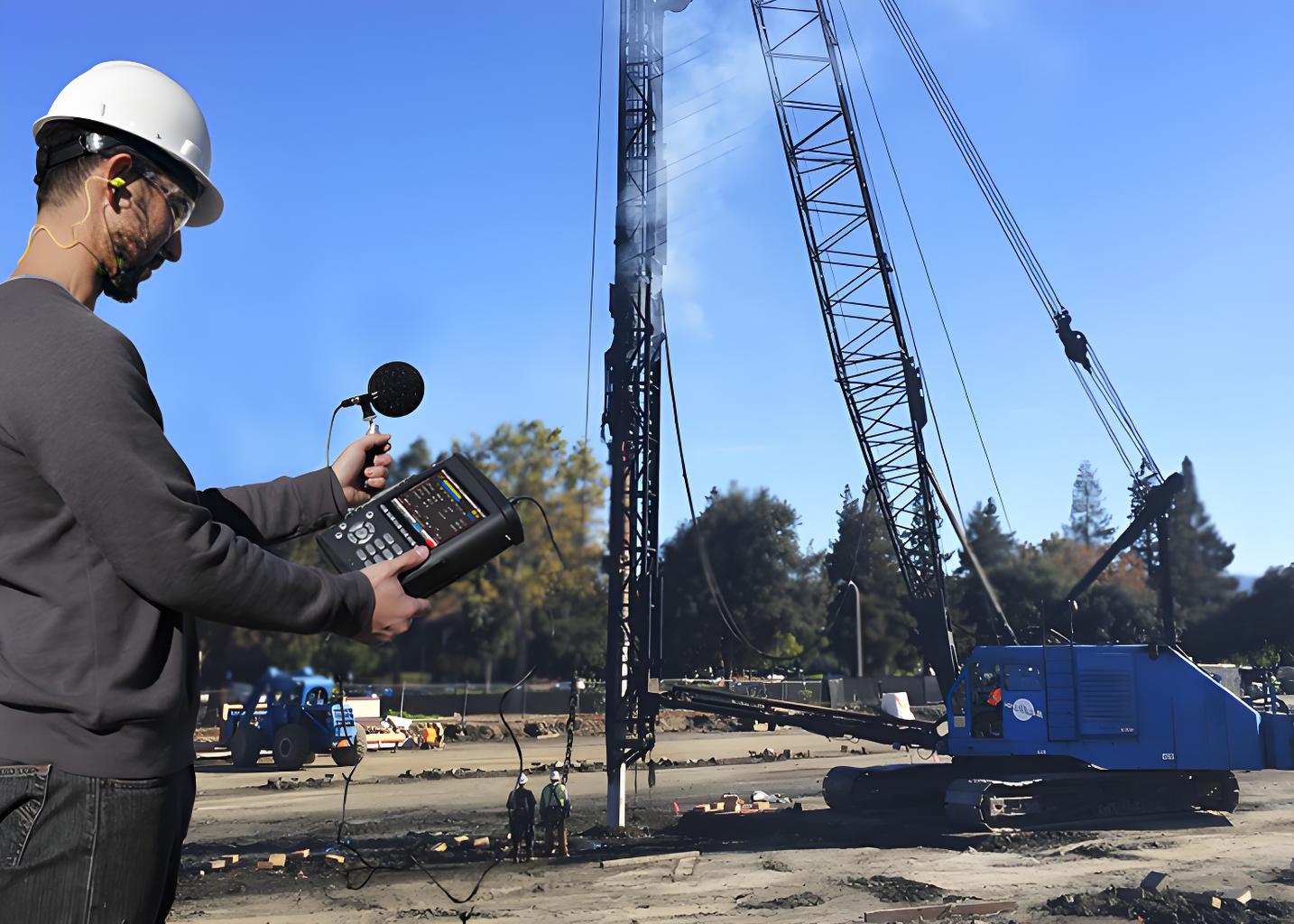
1. Sound Level Meter
The sound level meter is the most commonly used noise measurement tool, suitable for quickly measuring the intensity of environmental noise. Its working principle is based on the sound wave signals received by the microphone, which are processed by internal circuits to display the corresponding sound pressure level (dB). When using it, simply point it at the noise source and press the button to get real-time noise levels, making it simple and easy to use.
2. Spectrum Analyzer
The spectrum analyzer is more complex; it can analyze the frequency components of noise, helping us understand the specific sources of noise. This instrument is usually used in industrial environments and can identify the impact of noise at different frequencies, such as low-frequency and high-frequency noise generated during machine operation.
3. Sound Intensity Meter
The sound intensity meter can measure the energy flow of sound waves, especially suitable for locating noise sources. In complex environments, the sound intensity meter can more accurately pinpoint noise sources, providing data support for subsequent noise control measures.
The Importance of On-site Noise Diagnosis
On-site noise diagnosis and analysis is not just about measuring noise levels but also involves in-depth analysis of noise sources. Through accurate measurement and analysis, we can effectively identify potential noise problems and take practical improvement measures. This not only helps enhance the comfort of the work environment but also protects the physical and mental health of employees.
Noise Control Technology
After understanding on-site acoustic measurement methods, let's talk about noise control technologies! Noise control methods are diverse and mainly divided into three categories: source control, transmission control, and receiver control. Source control aims to reduce noise generation, transmission control focuses on attenuation during noise propagation, and receiver control reduces noise impact by improving the receiving environment.
Summary
In summary, On-site Noise Diagnosis and Analysis is a complex and important field involving various acoustic measurement methods and noise control technologies. Hopefully, through this article, you can have a comprehensive understanding of on-site noise measurement and analysis, enabling you to better cope with noise challenges in your future work and life!
On-site Noise Diagnosis and Analysis