


Senior HALT testing engineers share common product failure modes with you!
Release time:
2023-07-04 12:13
Source:
During the process ofHALT testingthe product's performance may undergo drastic or gradual changes. When the changes reach a certain level, the product will no longer function normally. This situation is referred to as product failure.
Failure modes caused by temperature:
Parameter drift and circuit stability
Open circuit, short circuit, common layer, etc.
Circuit board corrosion
Circuit board cracks, surface and via defects
Component defects
Loose components, etc.
Cold soldering, open soldering, or insufficient solder
Wire stretching or loosening, etc.
Poor contact
Fastener defects
Brittle fracture
Electromigration
Surge current
Metalization
Sealing failure, etc.
Failure modes caused by vibration:
Circuit open, short circuit
Loose components
Short circuit between adjacent components
Component pin breakage/defects
ICSocket defects
Cold soldering, open soldering, insufficient solder, or no soldering
Poor adhesion
Loose or poorly connected wires
Loose hardware
Loose fasteners or pads
Crystal defects
Mechanical defects
Packaging defects
Various failures caused by foreign objects, etc.
Failure modes caused by humidity:
Electrical short circuit
Active device jammed
Circuit board corrosion
Surface damage
Insulation material performance degradation
and other induced defects
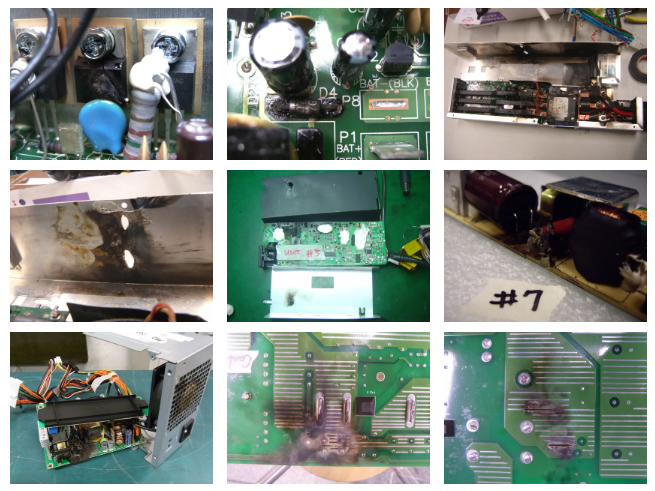
Through long-term experience accumulation, our test engineers have summarized nine common failure modes based on the causes of product failures and provided images for reference:
1. Pin breakage

2. Cold soldering and open soldering

3.FLT


4.Wire loosening

5. Material defects

6.Burnout or explosion
7.Human factors
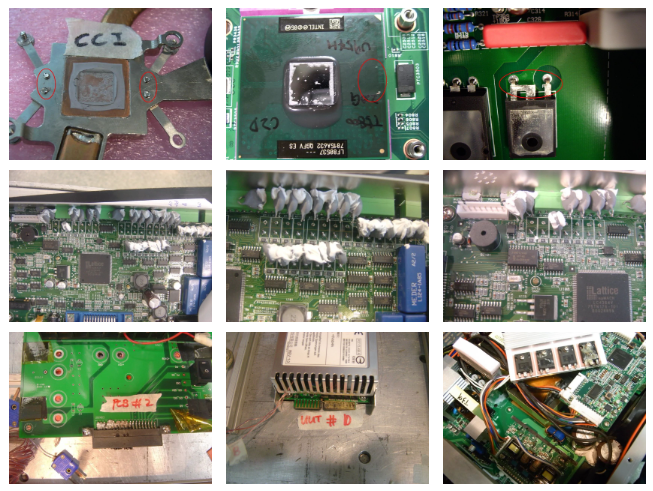
8. Structural defects

9.Normal wear

ForHALT testinganalyzed product failure modes, experienced engineers can quickly provide test reports, assess product reliability, and facilitate designers in improving processes and refining product designs.
HALT&HASS,Accelerated Life Testing,Reliability Testing,Product failure