


Have you noticed: Highly Accelerated Life Testing (HALT) has quietly emerged as a powerful tool for improving reliability!
Release time:
2025-09-03 10:45
Source:
In today's world where electronic products are becoming increasingly complex and reliability requirements are continuously rising, how to quickly and effectively identify potential product defects and improve their reliability has become a focus for the manufacturing industry. Highly Accelerated Life Test (HALT) is an efficient reliability testing method that is gradually expanding from military and aerospace fields to consumer electronics, automotive electronics, power equipment, and other industries, becoming a key tool for companies to enhance product quality.
1. What is HALT? Why is it gaining attention?
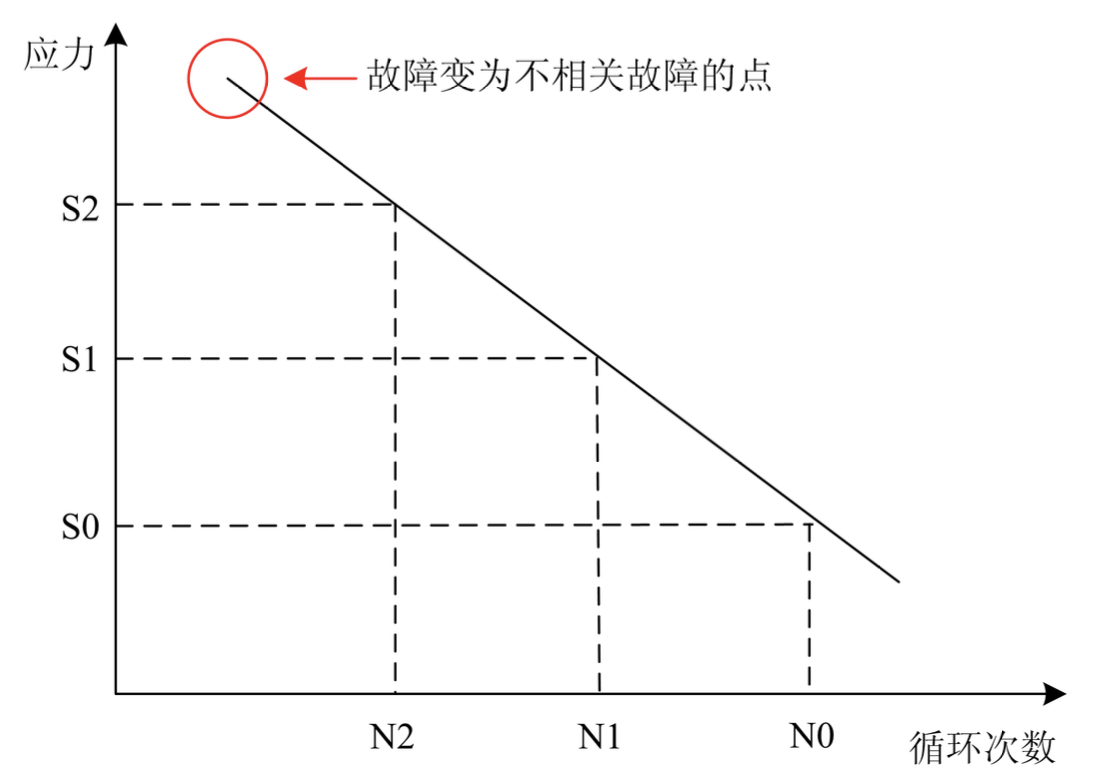
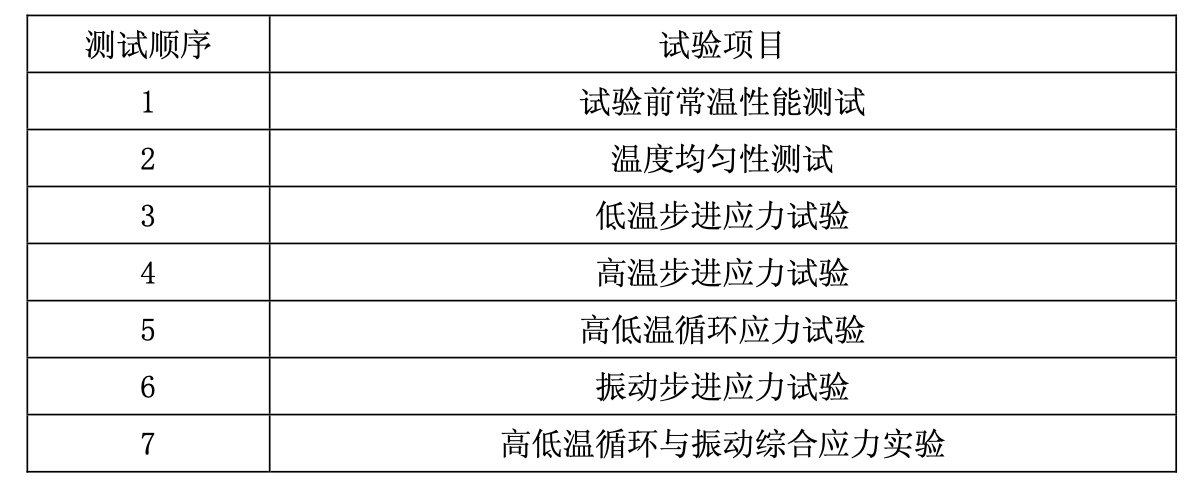
HALT is a testing method that rapidly stimulates potential product defects by applying stepwise increasing stresses such as high temperature, low temperature, vibration, and thermal cycling. Its core purpose is to expose weak points in design, process, and materials early in the development stage, thereby improving product reliability and robustness through enhancements.
Compared with traditional reliability tests, HALT has advantages of shorter time, fewer samples, and earlier problem detection. Studies show that HALT testing can simulate failures that would normally take years under normal use conditions within a few days, significantly shortening the product development cycle. [1] 。
2. Effectiveness of HALT in practical applications
Taking the "localized protection device" in power systems as an example, a 2018 study showed that multiple potential faults were quickly exposed through HALT testing:
- Power supply abnormalities accounted for 70%, mostly due to component pin breakage;
- Communication abnormalities (such as SV/GOOSE output anomalies) accounted for 60%;
- Structural abnormalities accounted for 20%, including seismic material detachment.
By analyzing and improving these faults, the pass rate of the second batch of test products increased from 22.2% in the first batch to 73.1%. The mean time between failures (MTBF) also significantly improved, with some products exceeding 100,000 hours, meeting the State Grid's enterprise standard requirements (MTBF ≥ 80,000 hours). [2] 。
3. HALT and HASS: Building a reliability assurance system
HALT is usually combined with Highly Accelerated Stress Screening (HASS) to form a full-process reliability assurance system from development to mass production:
- HALT is used in the design phase to explore product limits and identify defects;
- HASS is used in the production phase to quickly screen out early failures and ensure quality before shipment.
Research shows that after introducing HASS, early product failure rates significantly decreased and customer complaint rates dropped markedly, especially in fields with extremely high reliability requirements such as communications, military, and automotive electronics [3].
4. Industry hotspots and future trends
With the development of emerging technologies such as 5G, the Internet of Things, and new energy vehicles, the usage environments of electronic products are becoming increasingly harsh, and reliability requirements are rising accordingly. HALT/HASS technology is gaining widespread attention in the following areas:
1. Intelligent automotive electronics: reliability verification of in-vehicle controllers, sensors, etc., under high temperature and vibration combined environments;
2. Industrial IoT devices: long-term stability testing in harsh industrial environments;
3. Consumer electronics: durability evaluation of mobile phones, wearable devices under rapid temperature changes, drops, humidity, and other conditions.
5. Challenges and suggestions
Although HALT technology has obvious advantages, some challenges remain during implementation:
- High equipment costs, especially six-degree-of-freedom vibration tables and rapid thermal cycling chambers;
- Shortage of professional talent with capabilities in failure analysis, test design, and data interpretation;
- Lack of unified standards, requiring companies to customize test plans based on their product characteristics.
Experts suggest that companies should introduce HALT early in product development, combined with Physics of Failure (PoF) analysis, to establish a closed-loop reliability management system from design, manufacturing to testing. [4] 。
Conclusion
Highly Accelerated Life Test (HALT) is no longer an "exclusive tool" for high-reliability industries; it is demonstrating its value in more fields. It is not only a "touchstone" for product reliability but also an important strategic investment for companies to enhance competitiveness and reduce after-sales costs. In the future, with the advancement of standardization and reduction in equipment costs, HALT is expected to become a standard technology for product quality control in the era of intelligent manufacturing.
Data source description:
[1] Zhang Zheng. Mechanical 2003 Supplement "Discussion on Accelerated Life Testing"
[2] He Chun et al. Power System Protection and Control, 2018, "Application of Highly Accelerated Life Test in Reliability Research of Localized Protection Devices"
[3] Weng Tianshan. "Discussion on Execution Issues of Highly Accelerated Reliability Testing"
[4] GB/T 29309-2012 "Accelerated Stress Test Procedures for Electrical and Electronic Products - Guidelines for Highly Accelerated Life Testing" (Draft for Comments)
High Acceleration Life Test,High Acceleration Stress Screening,HALT,HASS,Reliability,Quality Control