


What role does human motion biomechanics analysis play in the field of bionic soft robots and human-computer interaction?
Release time:
2025-06-18 16:09
Source:
In recent years, bionic soft robots and human-computer interaction technologies have rapidly developed, becoming research hotspots at the intersection of robotics, biomedical engineering, and artificial intelligence. In this process, human motion biomechanics analysis plays a key role, not only providing inspiration for the design of bionic robots but also optimizing the efficiency and naturalness of human-machine collaboration. Especially in motion capture, mechanical modeling, and interaction optimization, biomechanics analysis technology has become an indispensable tool.
1. Design Inspiration for Bionic Soft Robots
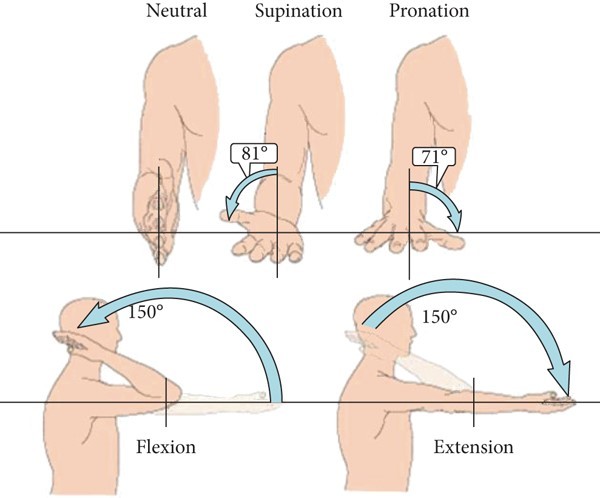
The core goal of bionic soft robots is to mimic the movement patterns of living organisms, especially the compliance and adaptability of humans. For example, the soft robotic hand developed by the research team at Harvard University optimized its grasping actions by referencing the biomechanics characteristics of human fingers. To accurately analyze these characteristics, collecting and analyzing human motion data is essential. BOB human motion biomechanics analysis software provides important support in this process. The software can analyze joint angles, muscle coordination patterns, and force distribution through high-precision motion capture and mechanical calculations, helping researchers extract key motion parameters and apply them to the structural optimization of soft robots. For instance, in developing a bionic spinal robot, researchers used biomechanical data to simulate the flexibility and load-bearing capacity of the human spine, making the robot's movements more natural.
2. Naturalization and Safety Enhancement of Human-Computer Interaction
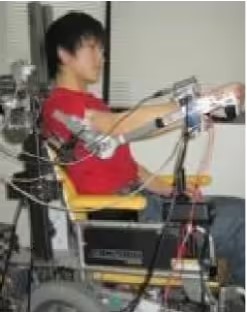
One of the core challenges of human-robot interaction (HRI) is enabling robots to understand and adapt to human motion intentions. For example, in rehabilitation robots or exoskeleton devices, machines need to respond to users' movements in real time to avoid discomfort or injury caused by rigid contact. Biomechanics analysis plays a key role in this process by quantifying the dynamic characteristics of human motion and providing precise input parameters for control algorithms.
Research shows that interaction strategies optimized based on biomechanics can significantly reduce users' energy consumption and improve motion coordination. For example, in the development of assistive exoskeletons, BOB human motion biomechanics analysis software is used to evaluate joint torques under different gait patterns, thereby optimizing power distribution strategies to make the exoskeleton conform more closely to natural human movement patterns.
3. Data-Driven Motion Simulation and Machine Learning Training
With the development of artificial intelligence technology, biomechanical data has become an important resource for training intelligent robot algorithms. For example, in imitation learning, robots learn motion strategies by observing human motion data. High-quality biomechanical data can improve learning efficiency and make robot movements more human-like.
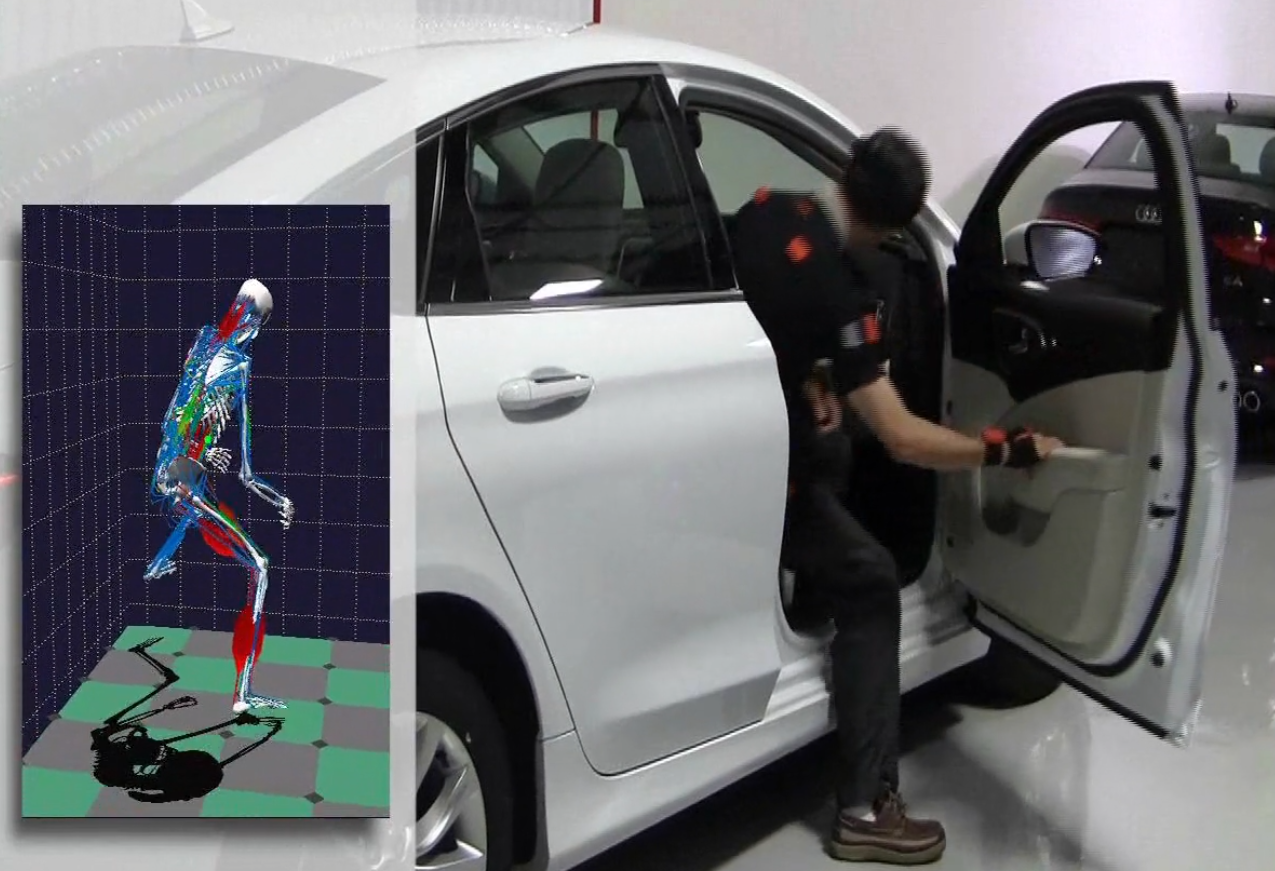
In this field, BOB software's high-precision motion modeling capabilities provide researchers with a reliable data foundation. Its dynamic simulation module can simulate muscle-skeletal interactions in different motion scenarios, helping optimize robot motion control algorithms. For example, in training flexible grasping robots, reinforcement learning models combined with biomechanical data demonstrate higher operational flexibility and adaptability.
4. Future Prospects
With the further development of bionic soft robots and human-computer interaction technologies, the role of biomechanics analysis will become more prominent. In the future, intelligent robotic systems combined with real-time biofeedback are expected to achieve broader applications in medical rehabilitation, intelligent manufacturing, and home services. Tools like BOB human motion biomechanics analysis software will continue to provide key technical support for this interdisciplinary research.
BOB Human Biomechanics Analysis Software,Bionic Soft Robot Design,Human-Computer Interaction Data Collection
Previous Page