


Why are pressure distribution and wind load assessment crucial in the design and construction of high-rise buildings?
Release time:
2025-06-04 09:43
Source:
Introduction
In construction engineering, the design and construction of high-rise buildings is a complex and challenging task. Especially in the evaluation of wind loads, measuring pressure distribution is crucial. This article will explore which areas require surface pressure measurement to ensure the safety and stability of high-rise buildings.
Pressure Distribution in High-Rise Buildings
Under the action of wind loads, the surfaces of high-rise buildings experience varying degrees of pressure distribution. Factors such as wind speed, wind direction, building height, and shape all affect the pressure distribution. Therefore, accurately measuring these pressure distributions is the foundation for wind load evaluation.
The Necessity of Wind Load Evaluation
Wind load evaluation is a key task in construction engineering. By evaluating the wind loads on high-rise buildings, engineers can predict the building's performance under strong wind conditions, optimize design plans, and ensure the safety and durability of the structure.
Which Areas Related to High-Rise Buildings Require Surface Pressure Measurement?
Requirements Related to High-Rise Buildings Surface pressure measurement is widely needed in many areas. The following are several key fields:
- Architectural Design: During the design phase, architects and engineers need to understand the impact of wind loads on the building structure to carry out reasonable designs.
- Construction Phase: Real-time monitoring of wind loads during construction can help the construction team take appropriate safety measures.
- Maintenance and Inspection: For completed high-rise buildings, regular pressure distribution measurements can help detect potential problems early.
- Urban Planning: In urban development, understanding the wind load characteristics of different areas can guide future building layouts.
Technical Means and Methods
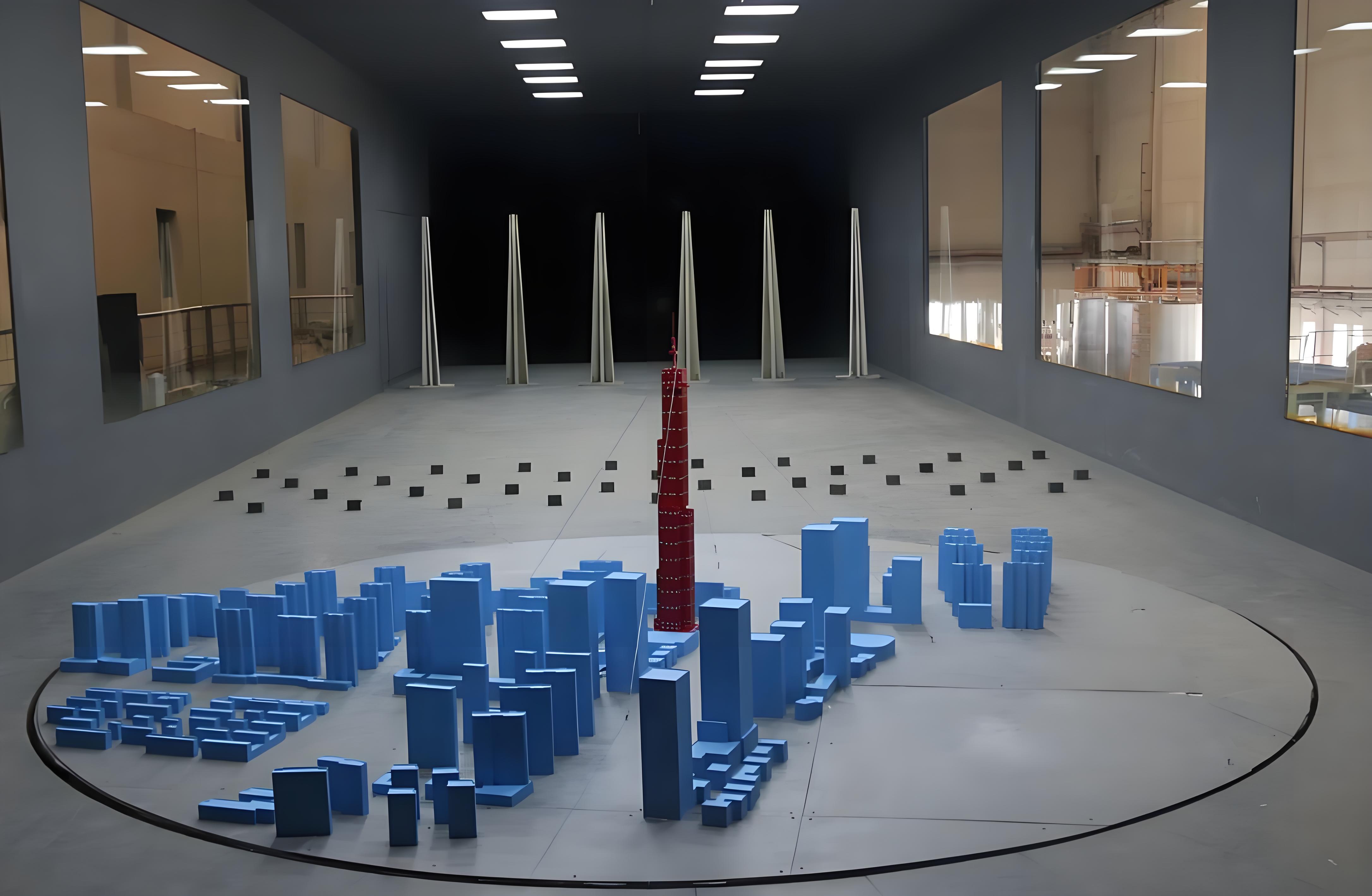
Common techniques for measuring pressure distribution include wind tunnel experiments, numerical simulations, and on-site measurements. Wind tunnel experiments can simulate building responses under different wind speeds and directions in a controlled environment, while numerical simulations allow for more complex pressure distribution analysis via computer. On-site measurements are usually used to verify the results of experiments and simulations.
Conclusion
In summary, the pressure distribution and wind load evaluation of high-rise buildings in construction engineering are key to ensuring building safety and stability. With technological advancements, methods for measuring surface pressure are continuously developing. Engineers and architects in various fields should pay attention to this process to enhance buildings' wind resistance and ensure the safety of people's lives and property.
Construction Engineering - High-rise Buildings - Pressure Distribution - Wind Load Assessment,Surface Pressure Measurement