


SoundPLAN software can help you easily optimize sound barrier design plans!
Release time:
2025-05-26 10:14
Source:
Introduction: The Necessity of Noise Barriers
In modern cities, noise pollution has become an issue that cannot be ignored. Especially in areas close to noise sources such as highways and railways, the design and application of noise barriers are particularly important. When it comes to types of noise barriers, choosing the right materials and forms can not only effectively reduce noise but also enhance environmental aesthetics. So how can we design the optimal noise barrier? This requires the use of some advanced software tools, such as SoundPLAN software 。

Various Types of Noise Barriers
1) Classification by Material
- Metal Noise Barriers
Material: Galvanized steel plate, aluminum plate, aluminum alloy, etc.
Features: High strength, corrosion resistance, can be combined with sound-absorbing materials (such as rock wool, glass wool) to enhance noise reduction effects.
Applications: Along highways and railways. - Concrete Noise Barriers
Material: Lightweight concrete, high-strength concrete.
Features: Strong durability, low maintenance cost, but heavy weight and long construction period.
Applications: Long-term projects such as high-speed railways and bridges. - Transparent Noise Barriers
Material: PC board (polycarbonate), acrylic, laminated glass.
Features: Good light transmission, reduces visual oppression, suitable for landscape-sensitive areas.
Applications: Urban viaducts, residential area surroundings. - Composite Material Noise Barriers
Material: Integrated sound absorption and insulation materials (such as metal + sound-absorbing cotton), wood chip concrete, ceramic fiber, etc.
Features: Combines sound absorption and insulation functions, environmentally friendly and lightweight.
Applications: Industrial plants, urban roads. - Ecological Noise Barriers
Material: Plant walls, ecological concrete (can grow greenery).
Features: Integrates greenery, improves ecological environment, noise reduction effect depends on vegetation density.
Applications: Parks, ecologically sensitive areas. - 2) Classification by Structure
Upright Noise Barriers: The most common vertical structure, blocking direct sound wave propagation through height and material thickness. - Folded/Curved Noise Barriers: Top designed with folds or curves to increase sound wave reflection paths, enhancing noise reduction effects.
- Semi-enclosed/Enclosed Noise Barriers
Semi-enclosed: Partially covered top, used for highways or bridges.
Enclosed: Completely surrounds the noise source (such as tunnel-style noise barriers for high-speed rail), providing the best noise reduction effect. - Combined Noise Barriers: Mix of transparent panels with metal/concrete structures, balancing functionality and aesthetics.
Movable Noise Barriers: Modular design, easy to assemble and disassemble, suitable for temporary construction sites or short-term projects.
SoundPLAN software Advantages of
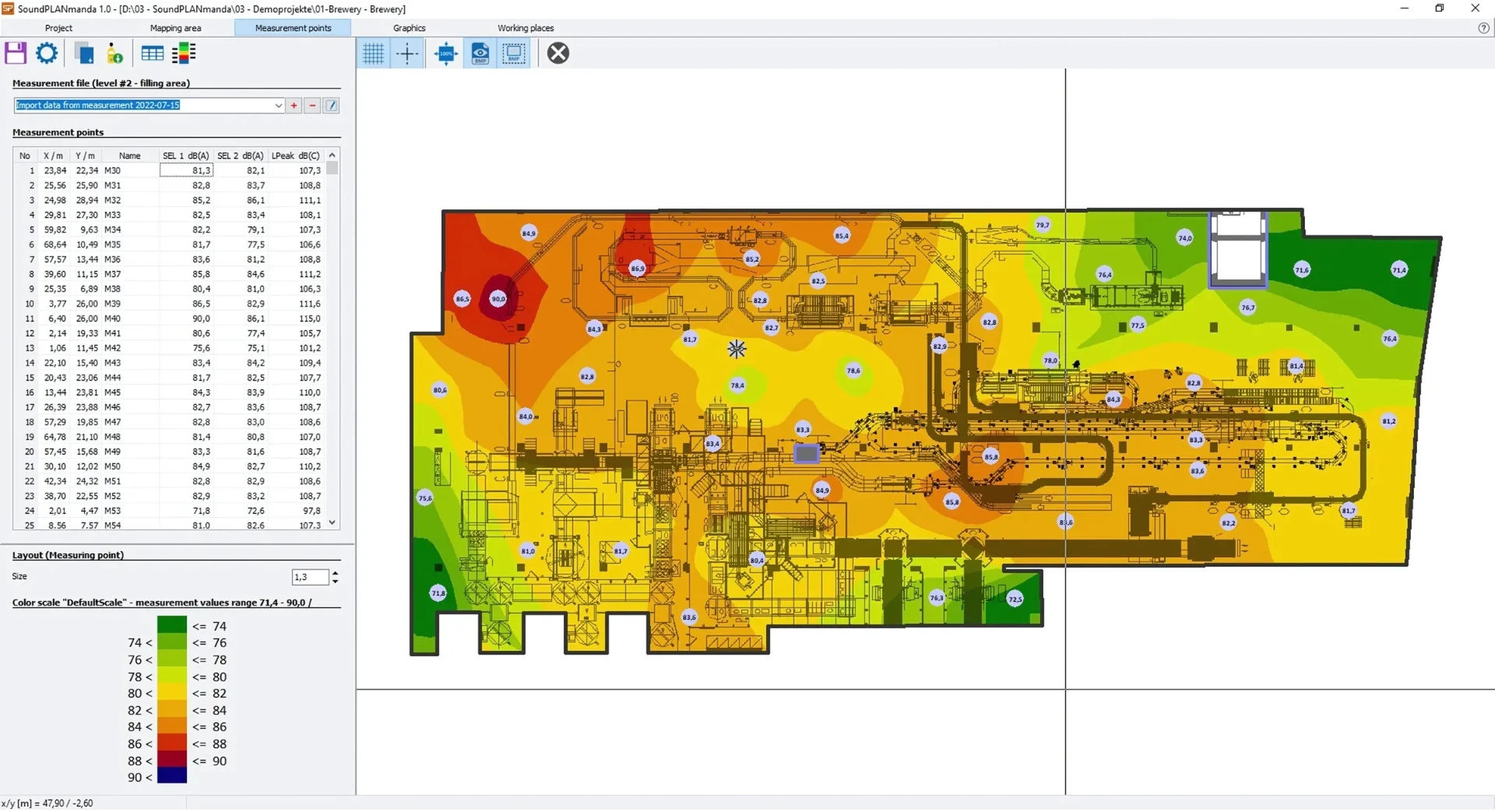
SoundPLAN software is a professional software designed specifically for noise control. Its strength lies in its ability to simulate the effects of different types of noise barriers. By inputting specific environmental data, SoundPLAN helps designers predict sound wave propagation, thereby effectively optimizing noise barrier design plans. Imagine being able to see the actual effect of noise barriers right in front of your computer—it's truly amazing!
1) Optimized Design: Data-Driven
Using SoundPLAN, designers can adjust parameters such as the height, thickness, and materials of noise barriers and instantly see how different configurations affect noise levels. For example, by adjusting the height of the noise barrier, designers can discover that a one-meter height difference may bring significant noise reduction. It's like playing a puzzle game—endlessly fun!
2) Integration of Simulation and Reality
Moreover, SoundPLAN can be combined with real-world environments for on-site testing. By comparing actual measurements with software simulations, designers can further refine their designs to ensure the effectiveness of the final plan. This way, noise barrier design is no longer based on imagination but on scientific data-driven decisions. This method is indeed efficient and reliable!
3) Case Study: Successful Noise Barrier Design
Taking a noise barrier project beside a highway in a certain city as an example, the design team used SoundPLAN software to conduct a comprehensive environmental noise analysis. After determining the type of noise barrier, the team performed multiple simulation adjustments on its height and materials, ultimately selecting a composite material with good sound absorption performance, successfully reducing noise by more than 10 decibels and greatly improving the living quality of nearby residents.
Summary: The Future of Noise Barrier Design
In summary, the choice of noise barrier types combined with SoundPLAN software provides a new perspective and method for noise barrier design. Through scientific data support and flexible design adjustments, future noise barrier designs will be more efficient and intelligent. Although noise pollution is difficult to eliminate completely, through such means, we can undoubtedly greatly improve living environments and make cities more livable.
Sound Barrier Type,SoundPLAN software,Noise Prediction Simulation