


How to use sports biomechanics analysis tools to improve athletic performance?
Release time:
2025-05-09 10:19
Source:
Introduction
In modern sports science, sports biomechanics analysis tools have become essential for athletes and coaches to improve performance. Whether you are a professional athlete or a fitness enthusiast, understanding and applying these tools can help you achieve greater breakthroughs in training.
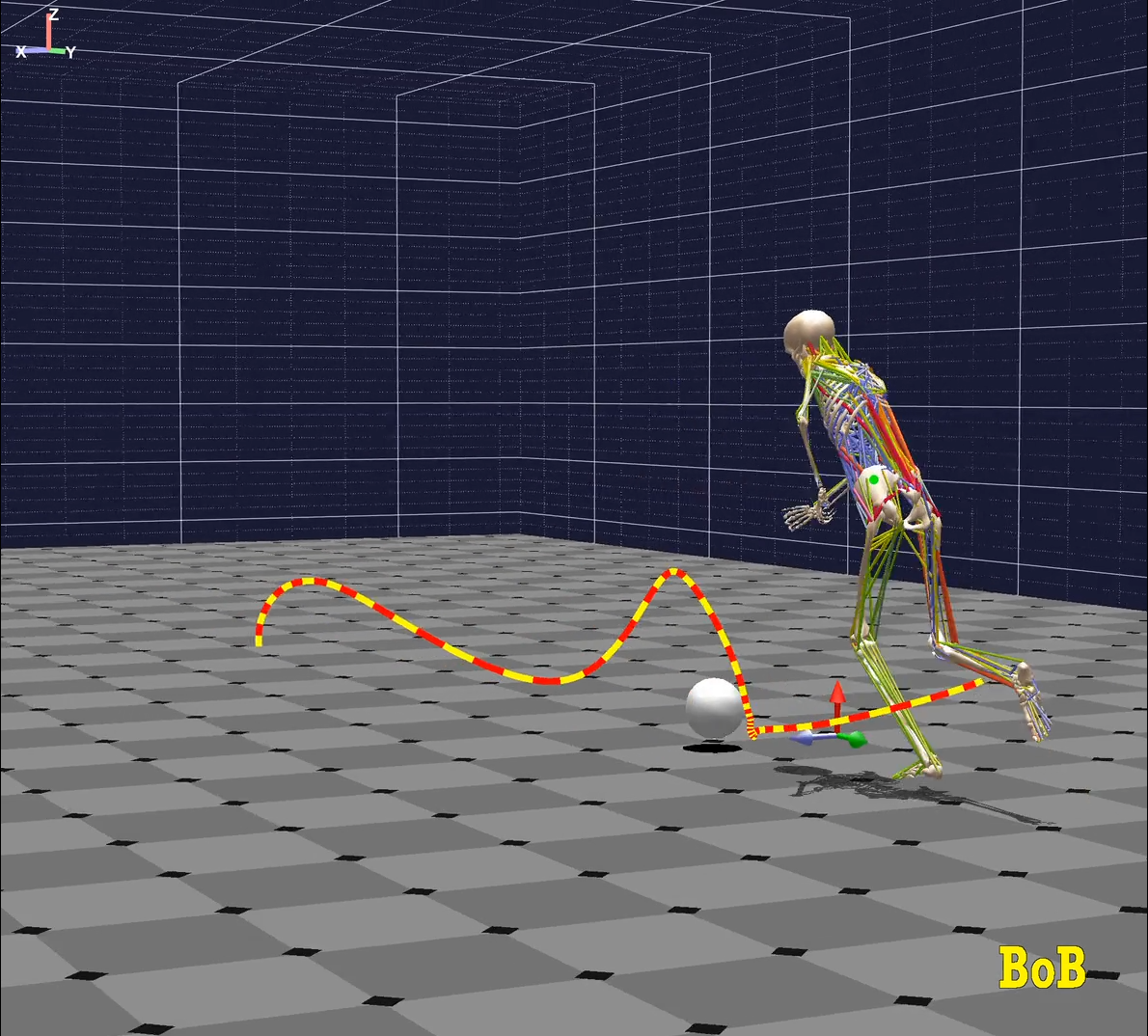
What are sports biomechanics analysis tools?
Sports biomechanics analysis tools, as the name suggests, are used to study and analyze the biomechanical characteristics of the human body during movement. These tools can capture data such as posture, force, and speed of athletes during motion through high-precision sensors and software.
1. Data Collection and Analysis
(1) Movement Technique Optimization
Tools: 3D motion capture systems (such as Vicon, Qualisys) + human motion biomechanics analysis software (such as ANYBODY, BOB, OPENSIM).
Applications:
- Gait/Movement decomposition: Analyze sprinters' step frequency, step length, and joint angles; adjust push-off angle when stride efficiency is insufficient.
- Movement chain coordination: For example, in golf swings, optimize force sequence through data on trunk rotation and arm movement synchronization.
- Case: Knee valgus during basketball players' jump may increase injury risk; identified by motion capture and targeted strengthening of the gluteus medius.
(2) Strength and Dynamics Analysis
Tools: Force plates (Kistler), pressure distribution insoles (Tekscan), electromyography (EMG).
Applications:
- Ground reaction force (GRF): Analyze the ratio of vertical to horizontal force during sprint start to optimize explosive force direction.
- Muscle activation timing: Use EMG to detect coordination between quadriceps and hamstrings during high jump takeoff to avoid compensatory movements.
(3) Energy Metabolism and Efficiency
Tools: Wearable metabolic analyzers (COSMED), GPS tracking devices (Catapult).
Applications:
- Energy consumption economy: Analyze the relationship between step frequency and oxygen uptake in long-distance runners to find the most energy-efficient step frequency range (e.g., 180 steps/min).
- Movement trajectory optimization: Analyze sprint routes of soccer players to reduce ineffective running.
2. Personalized Intervention Programs
(1) Technique Correction
Real-time feedback: Use wearable sensors (such as Noraxon IMU) to provide immediate alerts on movement errors during training (e.g., swimming stroke angle deviation).
Virtual Reality (VR): Simulate competition scenarios and analyze biomechanical parameters of athletes' reactive movements (e.g., center of gravity changes during boxing dodges).
(2) Customized Physical Training
Weak link identification: Use isokinetic strength testing (Cybex) to find insufficient internal rotation strength in badminton players' shoulder joints and design targeted resistance training.
Functional training: Design single-leg eccentric enhancement training based on joint torque data during long jump takeoff.
(3) Equipment Optimization
Shoe fitting: Select running shoes with arch support matching for marathon runners through pressure distribution testing.
Equipment adjustment: Adjust saddle height based on hip joint angle data of cyclists to reduce iliotibial band pressure.
3. Injury Prevention and Recovery
Risk assessment: Use dynamic models to predict overuse injury risk in volleyball players' overhead shoulder movements (e.g., subacromial impingement).
Rehabilitation monitoring: Track symmetry recovery progress in ACL post-surgery patients through gait analysis to ensure safe return to competition.
4. Practical Case References
Track sprinting: An American athlete discovered insufficient push-off force at start through force plate data; after adjusting starting block angle, improved 60m time by 0.15 seconds.
Swimming: The Australian team optimized freestyle stroke path using fluid dynamics simulation, reducing drag by 5%-8%.
Basketball: An NBA team used drones + IMU to analyze knee joint load during players' sudden stop jump shots, combining enhanced training to reduce injury rates.
5. Implementation Key Points
Multidisciplinary collaboration: Biomechanical data should be combined with exercise physiology and psychology (e.g., movement deformation under fatigue).
Dynamic tracking: Establish long-term databases to monitor seasonal and age-related changes in athletic performance.
Low-cost alternatives: Mobile apps (such as Dartfish) combined with AI algorithms provide simple movement analysis for amateur athletes.

Limitations and Precautions
Data overload: Avoid over-reliance on single indicators (e.g., focusing excessively on joint angles while neglecting overall coordination).
Individual differences: Combine athletes' proprioception and subjective feedback (e.g., comfort after technique adjustments).
By systematically applying biomechanical tools, athletes can precisely identify technical bottlenecks and achieve efficient improvements driven by data.
In summary, sports biomechanics analysis tools offer athletes a new perspective to understand their own movement mechanisms. By properly using these tools, athletes can not only enhance their performance but also enjoy the process of challenging themselves through sports.
Let's step into the world of sports biomechanics together and embark on a more efficient and scientific training journey!
Sports Biomechanics Analysis Tool