


What are the approaches to exploring the analysis of forces on muscles and joints in sports human body?
Release time:
2025-05-07 09:35
Source:
The Significance of Analyzing Muscle and Joint Forces in Athletes
In modern sports science, Analysis of Muscle and Joint Forces in Athletes is a field that cannot be ignored. Through in-depth analysis of the forces on muscles and joints in the human body, we can not only better understand the nature of movement but also achieve significant results in sports medicine, rehabilitation training, and other areas.
1. Basic Concepts of Skeletal Simulation Modeling
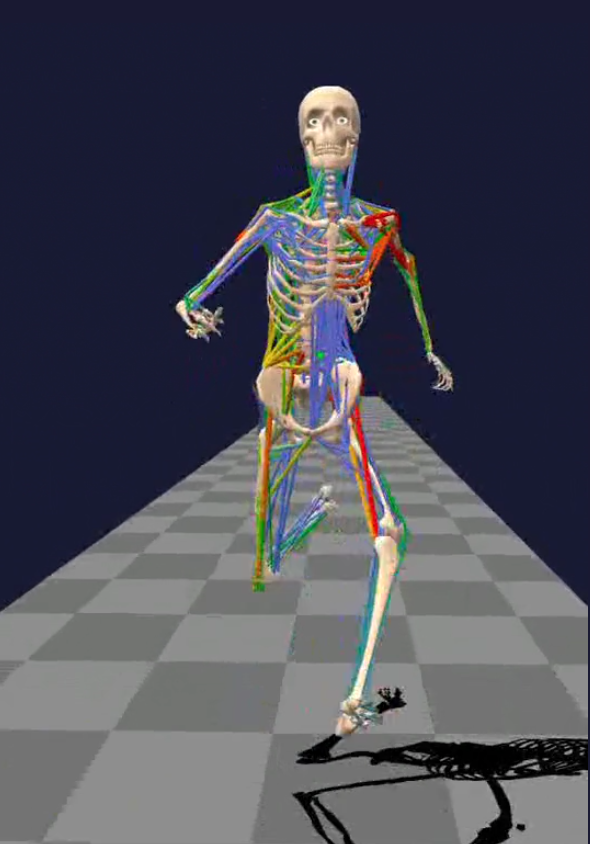
Skeletal simulation modeling refers to using computer technology to create three-dimensional models of the human skeleton and muscles. This modeling method can accurately simulate the force conditions on various parts of the body during movement. For example, in basketball, the athlete's knee joint bears tremendous pressure, and understanding this is crucial for preventing sports injuries.
2. Practical Applications of Muscle and Joint Force Analysis in Athletes
First, in sports training, Analysis of Muscle and Joint Forces in Athletes coaches can develop personalized training plans for athletes to maximize training effectiveness and avoid unnecessary injuries. Secondly, in sports medicine, doctors can use these analysis results to help athletes recover faster after injuries. Additionally, in the design of sports shoes and equipment, scientists also refer to this data to optimize product performance.
3. How to Conduct Muscle and Joint Force Analysis?
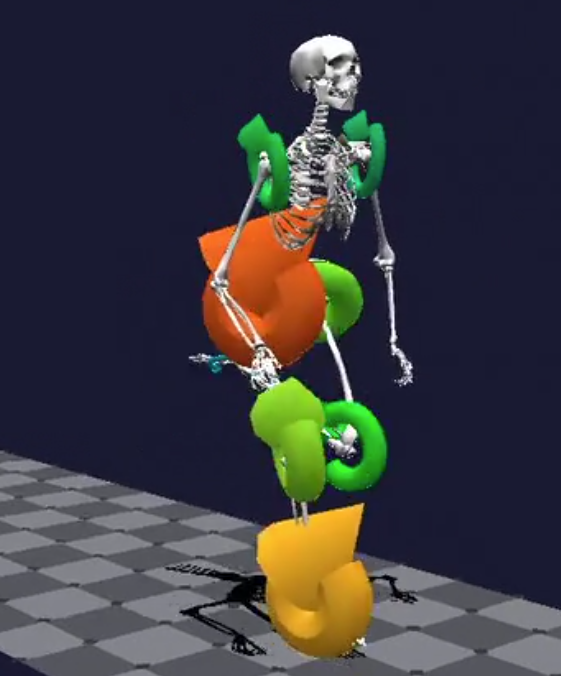
Conducting Analysis of Muscle and Joint Forces in Athletes generally requires the following steps: first, use three-dimensional motion capture technology to obtain the athlete's body data; second, establish a simulation model through computer simulation software; finally, perform motion simulation experiments, collect data, and analyze it. This series of steps requires multidisciplinary collaboration, including biomechanics, materials science, and computer science.
4. Future Prospects
In the future, with continuous technological advancement, the analysis of muscle and joint forces in athletes will become increasingly refined. Emerging artificial intelligence technologies may play a greater role in data analysis, helping us better understand the complex mechanisms during movement. Moreover, virtual reality technology may also be widely applied in sports training and rehabilitation, allowing athletes to train efficiently in simulated environments.
Conclusion
In summary, Analysis of Muscle and Joint Forces in Athletes this field not only holds significant value in theoretical research but also shows unlimited potential in practical applications. Through skeletal simulation modeling, we gain a deeper understanding of sports biomechanics, contributing to the development of sports science. Whether in training, medicine, or product design, this analysis will continue to play an important role.
Analysis of Forces on Muscles and Joints in Sports Human Body