


Noise Simulation: Revealing the Accuracy of SoundPlan Calculations
Release time:
2025-04-15 01:23
Source:
Introduction
In modern cities, noise pollution has become an issue that cannot be ignored. With the acceleration of urbanization, how to effectively manage and control noise has become a challenge faced by city planners. However, solutions are not always simple. In this regard, Noise Simulation technology has emerged, especially the SoundPlan software, which has become a powerful tool for many professionals.
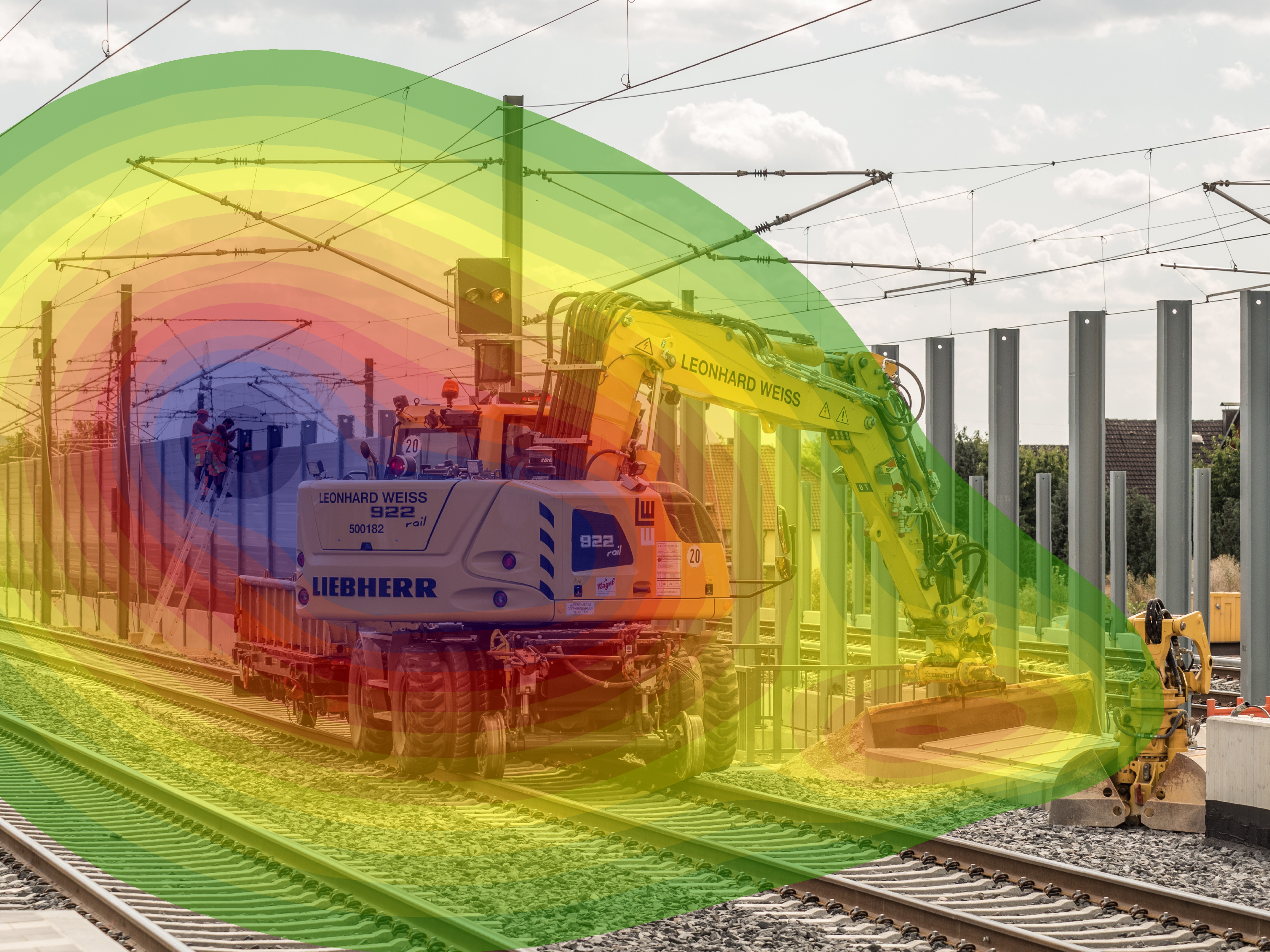
What is Noise Simulation?
Noise simulation, as the name suggests, uses computer models to predict and analyze noise propagation. This technology helps us identify potential noise problems during the project design phase, allowing for early countermeasures to reduce future troubles. SoundPlan As a leading software in the industry, its calculation accuracy is highly regarded.
How accurate is SoundPlan's calculation?
So, how accurate is SoundPlan's calculation? According to user feedback and multiple studies, SoundPlan it can provide quite reliable data during noise simulation. This is because SoundPlan uses advanced algorithms and a rich database to accurately simulate noise propagation in various environments.
Data Sources and Model Building
First, SoundPlan it relies on a large amount of measured data, including different types of noise sources, terrain features, and environmental factors. This data not only makes the model building more accurate but also makes the simulation results more realistic. For example, noise characteristics of urban roads, industrial areas, and other locations are all carefully recorded and incorporated into the model.
Practical Applications of Noise Simulation
In practical applications, noise simulation has a wide range of scenarios. Whether it is new urban roads, industrial facilities, or noise assessment for large events, SoundPlan it can provide detailed simulation results to help decision-makers make informed choices. For example, when planning a new transportation hub, noise simulation technology can be used to evaluate the impact on surrounding residential areas in advance, thereby taking necessary soundproofing measures.
Case Study
Taking a city's traffic reconstruction project as an example, the project team used SoundPlan for noise simulation and found that after the increase in traffic flow, the noise levels for nearby residents would significantly rise. Based on the simulation results, the project team promptly adjusted the road design, added green belts and sound barriers, and ultimately successfully reduced noise pollution, protecting residents' quality of life.
Conclusion
In summary, noise simulation, especially calculations performed through SoundPlan, has demonstrated extremely high accuracy and practicality. With continuous technological development, future noise management will become more scientific and systematic. As professionals, we should fully utilize these tools to contribute to the sustainable development of cities!
References
1. Relevant literature on noise control technology 2. SoundPlan user manual 3. Latest research results on noise simulation
Noise Simulation