


The Importance and Application of Biomechanical Analysis in Ergonomics
Release time:
2025-04-10 00:41
Source:
Introduction
In today's rapidly developing technological era, Biomechanical Analysis is gradually becoming an indispensable and important tool in the field of human factors engineering. Through in-depth study of human movement and mechanical characteristics, biomechanical analysis provides us with more efficient and safer design solutions.
What is Biomechanical Analysis?
Simply put, Biomechanical Analysis it is a discipline that studies the mechanical characteristics involved in the movement of living organisms (especially humans). It combines knowledge from biology, mechanics, and engineering, aiming to understand and optimize human movement and its interaction with the environment.
Basic Principles of Biomechanical Analysis
Biomechanical analysis mainly focuses on several aspects, including the action of forces, movement trajectories, and interactions between different parts of the human body. Through precise measurement and calculation, researchers can reveal human performance under different conditions, thereby providing scientific basis for engineering design.
Applications of Biomechanical Analysis in Human Factors Engineering
In the field of human factors engineering, Biomechanical Analysis its applications are extensive and profound. It not only affects product design but also involves workplace safety and efficiency.
1. Product Design
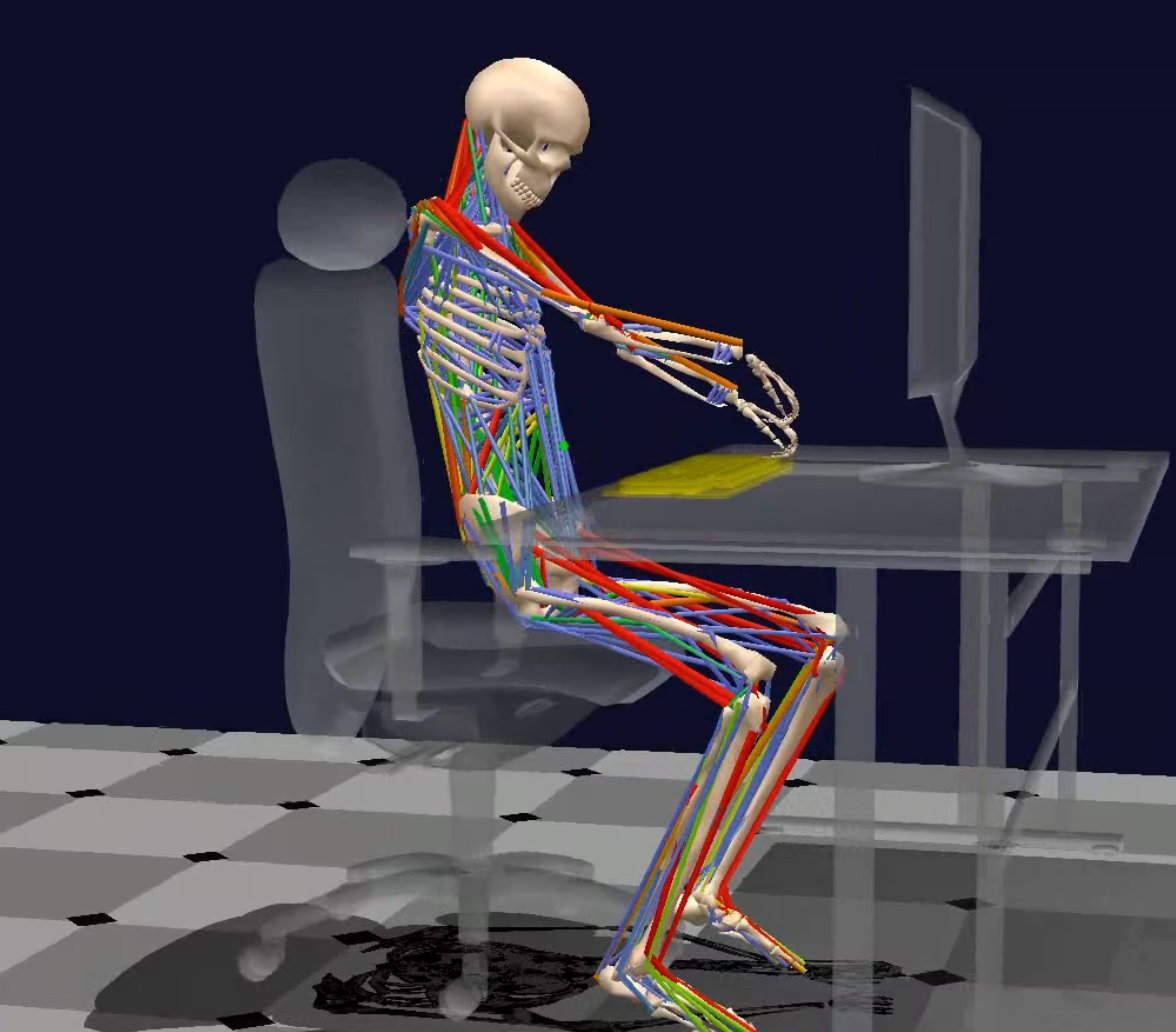
During the product design process, biomechanical analysis helps engineers understand users' habits and physical characteristics. For example, chair design needs to consider the spinal curve when sitting to prevent discomfort caused by prolonged sitting.
2. Workplace Optimization
By analyzing employees' movements during work through biomechanical analysis, companies can optimize the work environment and reduce work-related injuries. For instance, factory production line design can be adjusted according to the natural movement paths of operators to reduce fatigue.

Future Trends of Biomechanical Analysis
With continuous technological advancement, Biomechanical Analysis tools and methods are also evolving. The integration of virtual reality (VR) and augmented reality (AR) technologies provides a more intuitive way to study biomechanical analysis. In the future, we can expect more efficient and personalized design solutions to appear in our lives.
Conclusion
In summary, the application of biomechanical analysis in human factors engineering not only improves product design quality but also enhances workplace safety and efficiency. With deeper research and technological development, future biomechanical analysis will create a more comfortable and safer living experience for us.
Biomechanical Analysis