


Discussion on the Application of Human Motion Biomechanics in Modern Human Factors Engineering
Release time:
2025-04-03 00:43
Source:
Introduction
In today's era of rapid technological development, Human Movement Biomechanics As the science studying human movement, its importance is increasingly prominent. Whether in sports science, rehabilitation medicine, or daily work environment design, the principles of biomechanics provide us with profound insights.
What is Human Movement Biomechanics?
Simply put, Human Movement Biomechanics it is the discipline that studies the mechanical characteristics of human movement. It combines biology and physics, analyzing human movement patterns, forces applied and responses, providing scientific basis for improving athletic performance and reducing injury risks.
The Integration of Ergonomics and Biomechanics
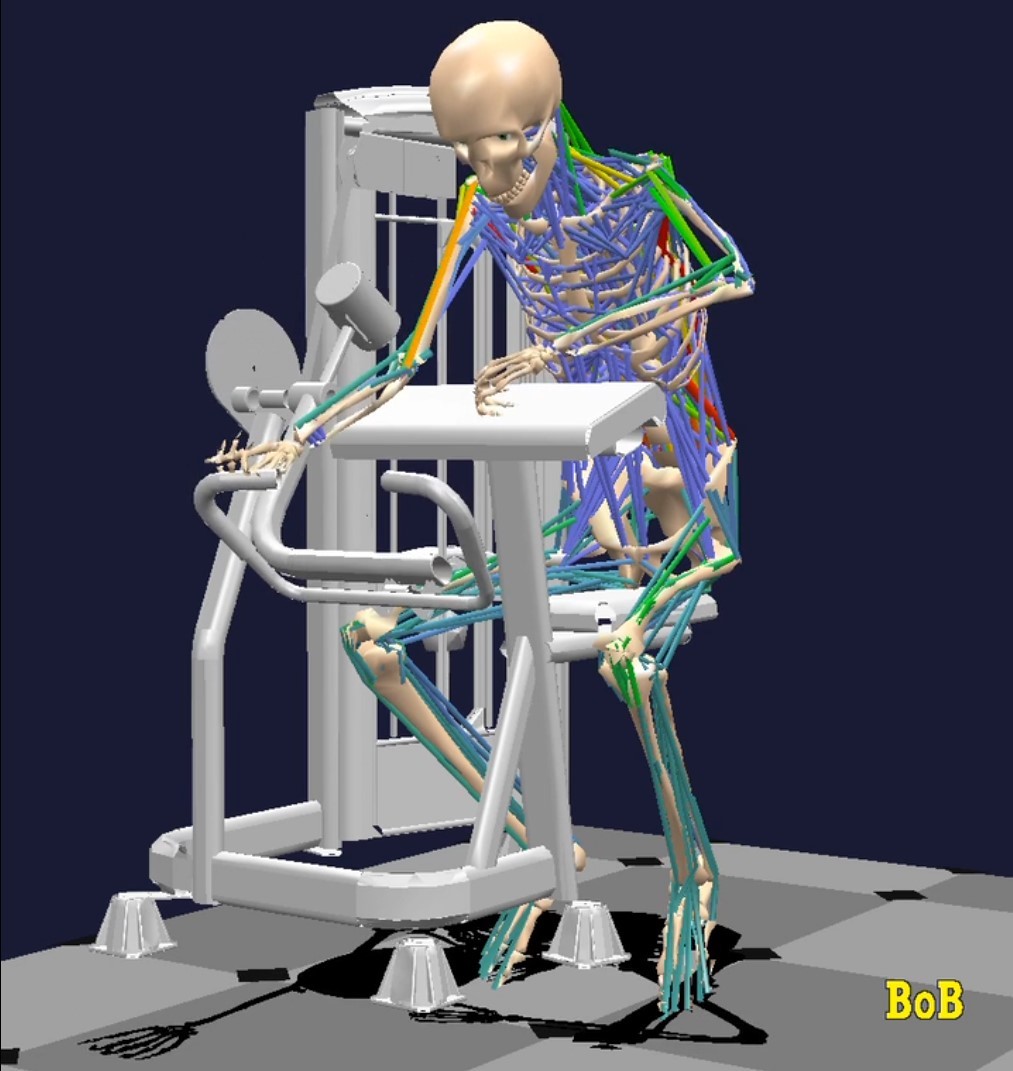
Ergonomics may sound sophisticated, but it is actually aimed at making people's work and living environments more comfortable and safe. Applying Human Movement Biomechanics to ergonomics can help design workspaces and tools that better fit natural human movement, avoiding occupational diseases caused by improper posture.
1. Work Environment Design
Imagine, after sitting in the office for long hours, do we often feel back and waist pain? By applying the principles of Human Movement Biomechanics the design of office chairs and desks can be optimized to ensure they support our natural posture and reduce physical burden.
2. Improvement of Tools and Equipment
In many industries, workers often need to use specific tools. If these tools are not ergonomically designed, workers will feel fatigued or uncomfortable during use. Therefore, combining the research of Human Movement Biomechanics tools' shape and weight can be improved to better fit human usage habits.

Case Study
For example, in the automotive industry, the design of driver seats fully considers biomechanical factors. By adjusting the seat's height, angle, and support, it ensures the driver can maintain the best posture during driving, which not only improves comfort but also enhances driving safety.
3. Health Management and Rehabilitation
In the medical field, Human Movement Biomechanics is widely applied in patient rehabilitation training. By analyzing patients' movement patterns, doctors can develop personalized rehabilitation plans to help patients recover health more quickly.
Future Prospects
With continuous technological advancement, Human Movement Biomechanics and ergonomics will become more closely integrated. In the future, we look forward to seeing more high-tech products, such as smart wearable devices, which can monitor users' movement status in real time and provide optimization suggestions, making our lives healthier.
Conclusion
In summary, Human Movement Biomechanics the application of in modern ergonomics not only improves our quality of life but also provides new ideas for health management. We should pay more attention to the development of this field and strive to combine theory with practice to create environments and tools better suited to human needs.
Human Movement Biomechanics