


The perfect combination of human motion biomechanics and motion capture systems!
Release time:
2025-04-01 00:41
Source:
Introduction
In the field of sports science and sports medicine, Human Movement Biomechanics This concept is gaining increasing attention. With the rapid development of technology, the emergence of motion capture systems allows us to analyze human performance during movement more precisely. Today, let's unveil the mystery of this fascinating field together!
Working Principle of Optical Motion Capture Systems
Optical motion capture systems record athletes' movements through a series of sensors and cameras. First, markers are attached to the athlete's body; these markers reflect light, enabling the cameras to accurately capture the movement trajectory.
This data is then converted into a 3D model, helping us analyze the angles, speeds, and forces of various joints during movement. This is a high-tech "monitor" that lets us see details in athletes' performances that are difficult to catch with the naked eye during competitions.
Data Collection and Biomechanical Analysis
Using the data collected by the motion capture system, the next step is biomechanical analysis. This process usually involves the following steps:
- Data Processing: First, the collected data needs to be cleaned and processed to remove noise and errors.
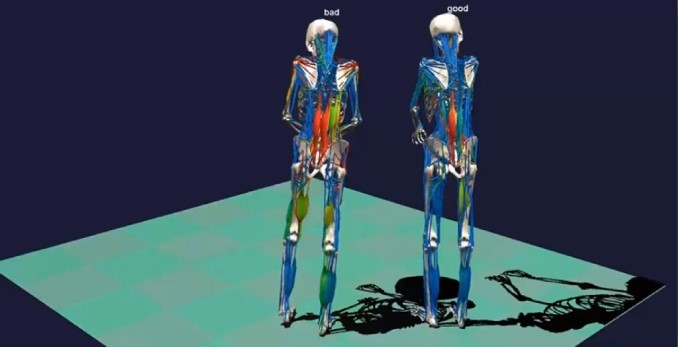
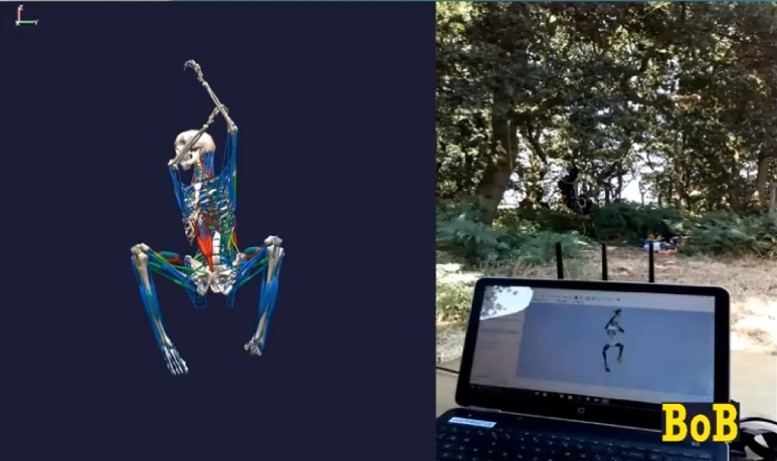
- Movement Pattern Recognition: Next, algorithms are used to identify the athlete's movement patterns, for example by importing BOB or ANYBODY and other biomechanical analysis software for processing. This step is crucial as it helps coaches discover the strengths and weaknesses of athletes.
- Biomechanical Indicator Calculation: Finally, by analyzing the angles, speeds, and forces applied during movement, we can obtain biomechanical indicators such as power and energy consumption.
These indicators not only help athletes improve performance but also prevent sports injuries, truly a win-win situation.
Applications of Human Movement Biomechanics
At this point, everyone must be curious, Human Movement Biomechanics about how wide its application range is? In fact, its applications cover almost all sports fields. For example:
- Sports Training: Coaches can develop personalized training plans based on athletes' biomechanical data.
- Sports Medicine: Doctors can analyze athletes' movement patterns to timely identify potential injury risks.
- Sports Equipment Development: Designers of sports equipment can optimize the performance of gear based on athletes' movement data.
Such applications are truly astonishing! The combination of technology and sports is indeed a revolution.
Future Prospects
With continuous technological advancements, motion capture systems will become more precise and efficient. In the future, we may see more advanced biomechanical analysis tools, not limited to athletes; ordinary people will also be able to improve their movement performance through these tools.
Imagine, in the future, athletes only need to wear smart sportswear to monitor their biomechanical data in real time, and coaches can adjust training plans anytime via mobile apps. This scenario is truly exciting!
Conclusion
In summary, Human Movement Biomechanics plays an increasingly important role in sports science. Through motion capture systems, we can deeply understand various details and changes during movement, providing scientific support for athletes' training and rehabilitation. In the future, technology will continue to drive the development of this field. Let's look forward to it together!
Human Movement Biomechanics