


Comprehensive Analysis of On-site Acoustic Measurement Methods: The Importance of Three-Dimensional Sound Intensity Measurement
Release time:
2025-03-23 00:45
Source:
Introduction: The Importance of Acoustic Measurement
In modern architecture and environmental design, acoustic measurement is of paramount importance. Whether it is a concert hall, conference room, or open-plan office space, a good acoustic environment directly affects people's work and quality of life. Therefore, mastering effective on-site acoustic measurement methods is especially critical.
Common Acoustic Measurement Methods
There are various on-site acoustic measurement methods. Let's take an in-depth look at several common techniques.
1. Three-Dimensional Sound Intensity Measurement
First to mention is three-dimensional sound intensity measurement, a highly comprehensive method. It not only provides information about the sound source's intensity but also shows the direction of sound propagation. Using special sensors and software systems, 3D sound intensity measurement can visualize complex sound field information, making it clear to engineers at a glance.
2. Sound Pressure Level Measurement
Additionally, sound pressure level measurement is also a commonly used method. It records pressure variations of sound waves at specific locations through acoustic sensors, reflecting the intensity of the sound. This method is simple and easy to implement, suitable for various scenarios.
3. Spectrum Analysis
Spectrum analysis is another important measurement technique. By analyzing the frequency components of sound, it helps us understand the quality of sound and its impact on the environment. This method is especially suitable for noise control and sound quality optimization.
4. Material Sound Absorption Measurement
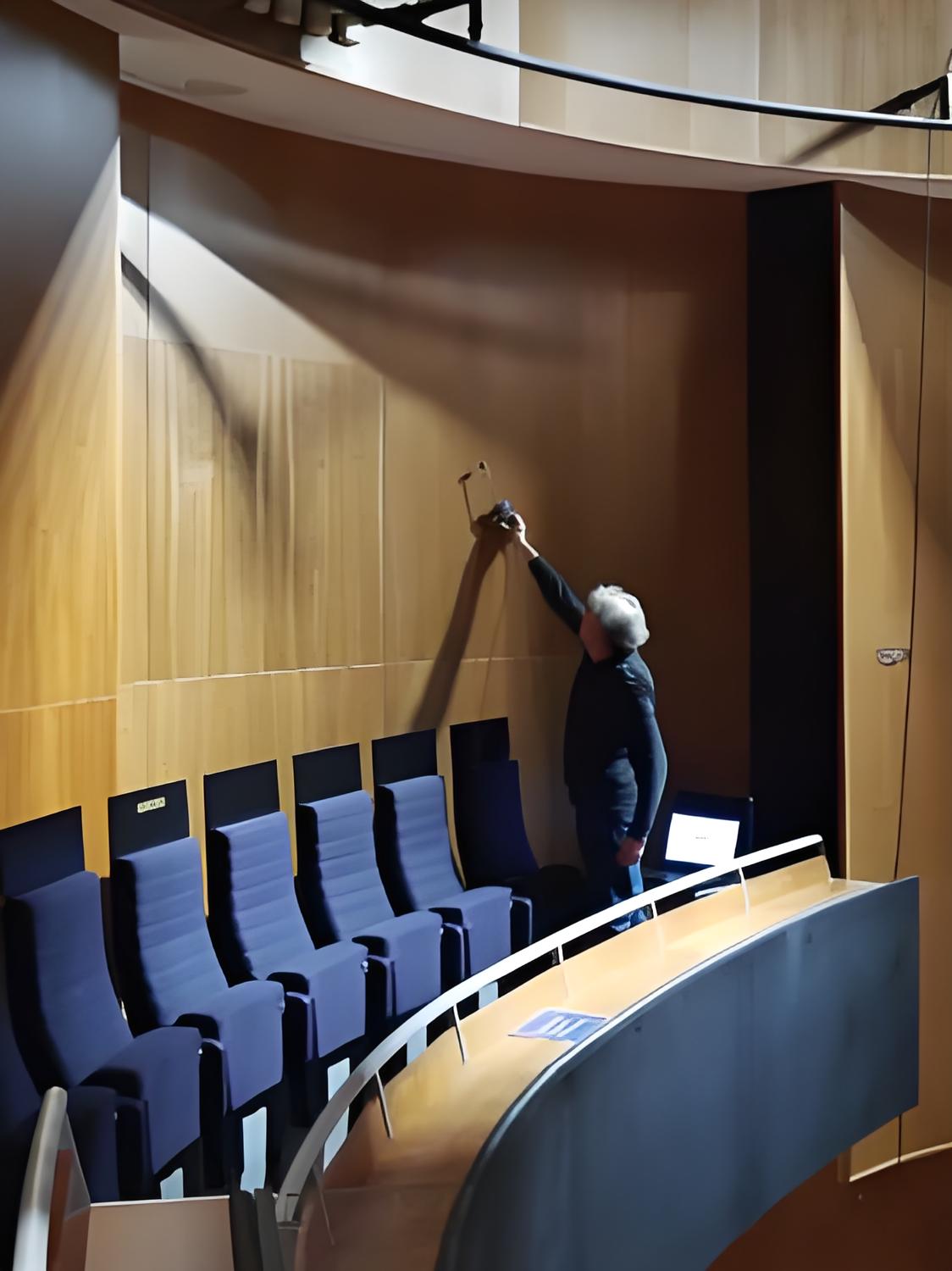
On-site material sound absorption measurement technology evaluates the ability of materials or structures to absorb sound energy through field testing. Its core is to quantify the material's absorption coefficient (α) or noise reduction coefficient (NRC), providing data support for architectural acoustics design and noise control.
Applications of On-Site Acoustic Measurement
So, in which scenarios are these acoustic measurement methods specifically applied? Let's look at some examples.
1. Concert Hall Design
In the design process of concert halls, three-dimensional sound intensity measurement is especially important. It helps designers understand how sound waves propagate in the space, optimizing the sound field layout to ensure every audience member enjoys the best musical experience.
2. Office Noise Control
In open-plan office environments, noise control is an issue that cannot be ignored. Through sound pressure level measurement and spectrum analysis, designers can identify noise sources and propose reasonable solutions to improve employees' work efficiency.
3. Traffic Noise Monitoring
In busy urban traffic areas, monitoring traffic noise is particularly important. Using three-dimensional sound intensity measurement and other acoustic technologies, relevant departments can monitor noise levels in real time and take necessary control measures.
Summary: Choosing the Appropriate Acoustic Measurement Method
In summary, there are various on-site acoustic measurement methods, each with its unique application scenarios and advantages. Among these methods, three-dimensional sound intensity measurement, due to its comprehensiveness and high precision, has become the "ace" of acoustic measurement. By flexibly applying these technologies, we can not only improve the current acoustic environment but also provide scientific basis for future designs.
In short, whether you are a designer or a sound engineer, understanding and mastering these acoustic measurement methods will definitely help you thrive and excel in the industry!
Three-dimensional sound intensity measurement